By Fr. Victor Feltes
 I invite you to reflect on these people in our readings today: the slain Jewish warriors in 2nd Maccabees, St. Joseph of Arimathea, and the holy women at Jesus’ tomb.
Our first reading came from 2nd Maccabees after God’s people had prevailed in battle. The Jews routed a Greek army of 3,000 foot soldiers and 400 cavalry and only “a few of the Jews were slain.” But when the Jews came to bury their fallen brothers, the text says “under the tunic of each of the dead they found amulets sacred to the idols of Jamnia, which [God’s law forbade] the Jews to wear. So it was clear to all that this was why these men had fallen. … Turning to supplication, they prayed that the sinful deed might be fully blotted out.” Then the Jewish commander, Judas Maccabeus, “took up a collection among all his soldiers, amounting to 2,000 silver [coins], which he sent to Jerusalem to provide for an expiatory sacrifice.” The narrator concludes that “in doing this he acted in a very excellent and noble way, inasmuch as he had the resurrection in mind… Thus he made atonement for the dead that they might be absolved from their sin.”
Another person who performed the noble task of burying the dead is written about in all four Gospels: St. Joseph of Arimathea. He was a rich man from the Jewish town of Arimathea, whom Scripture calls virtuous and righteous and a secret disciple of Jesus. He was a prominent member of the Sanhedrin, that Jewish Council which had condemned Jesus to death, but Joseph never consented to their decision or action. Joseph was awaiting the coming of the Kingdom of God and before Good Friday he probably believed that Jesus was the Christ. But the Jewish imagination did not envision that the promised Messiah, their conquering king, would be condemned and executed. Jesus’ shocking death complicated how Joseph regarded him, but Joseph remained convinced Jesus was a good man and, with faith in the resurrection of the dead, still wanted to do a good thing for him. We just heard St. Luke record in his Gospel how Joseph “went to Pilate and asked for the Body of Jesus. After he had taken the Body down, he wrapped it in a linen cloth and laid him in a rock-hewn tomb in which no one had yet been buried.” Joseph did this work of mercy for his friend Jesus and is remembered and honored for having done it to this day.
The holy women at the tomb loved Jesus, too. They came to do him final kindnesses, bringing spices they had prepared for covering his remains. But they never had the chance to complete that funerary rite, for when they arrived at the Easter tomb the body of Jesus was gone. The angels informed them he had “been raised.” Those women had tried to do something good for Jesus that day but he was blessed far more than they had imagined possible.
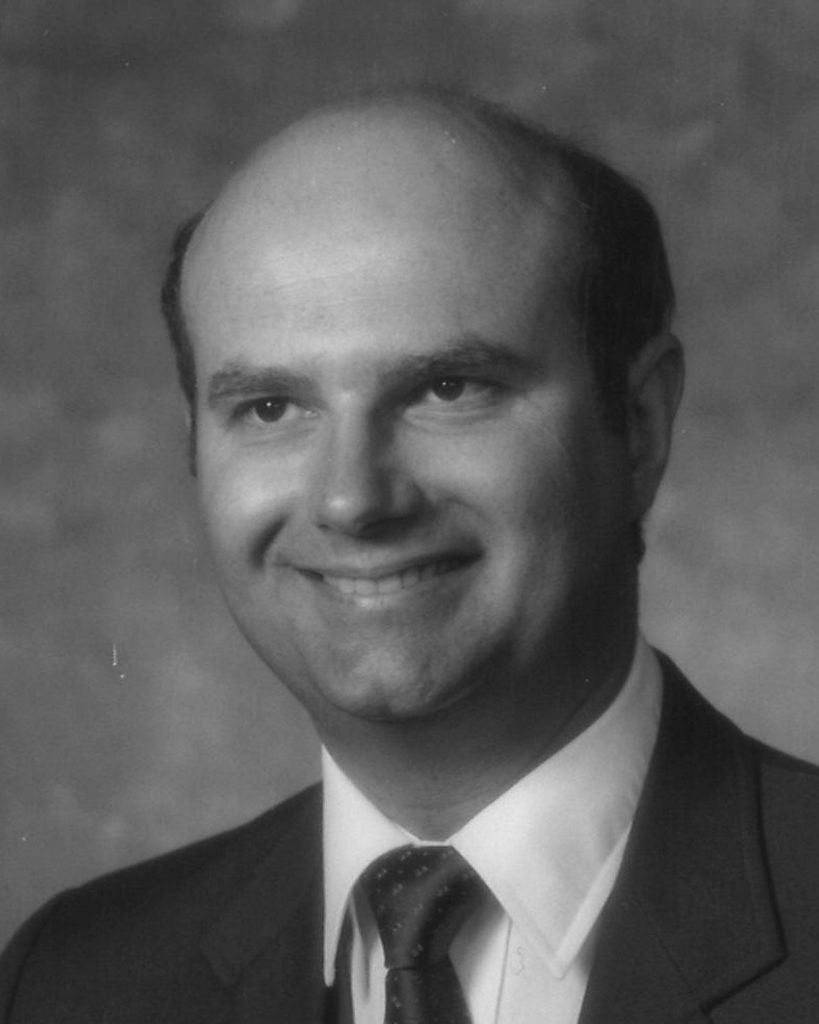
Connie, Carol, and Diane, you remind me of St. Joseph of Arimathea. We are here for Ken today because of you, his sisters. Despite the complicatedness of your past relationships with Ken, you still wanted to do this good and holy deed for him. You describe Ken as a good, kind, and gentle man. He had his flaws and weaknesses, as all men have, but you also spoke of his beautiful virtues. You love him and you have sought to have our greatest prayer, the Holy Mass, be applied for the good of his soul.
Ken grew up Catholic but many years ago he left the Church to venerate God elsewhere. Now I would caution anyone against that grave and dangerous error, but that mistake does not leave us without hope for Ken’s soul. There is good reason to hope that those Jewish soldiers who died with pagan amulets under their tunics were helped in being cleansed and saved through God’s Old Testament sacrifices. But those rituals only pointed ahead to a greater sacrifice to come. How much more effective for Ken’s eternal soul will be the one sacrifice of Jesus Christ offered in this Holy Mass?
Today, for the first time in my priesthood, I am celebrating a funeral Mass without the presence of the deceased’s person’s remains. But Connie, Carol, and Diane, like those holy women on Easter morning who came together to do good for Jesus though his Body was absent, may God bless your beloved one this day even more greatly than you can imagine.


Leave a Reply