31st Sunday in Ordinary Time
By Fr. Victor Feltes
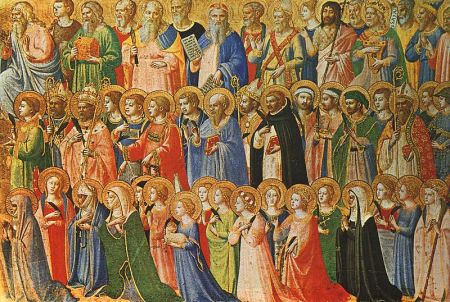
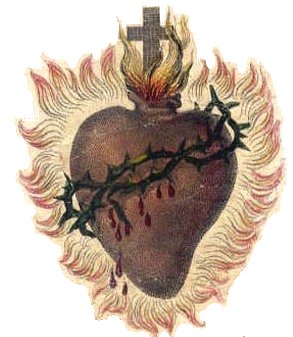 On November 1st, Christ’s Church celebrated all the saints in Heaven. The Gospel reading for that solemnity was Jesus’ beatitudes from his Sermon on the Mount. The beatitudes describe God’s saints, and they describe Jesus Christ himself as well. We are made in God’s image and our Lord grows us into his likeness. This Sunday, I would like to highlight one of those beatitudes: “Blessed are the clean of heart…” Most Bible translations render this: “Blessed are the pure in heart…” What is purity of heart?
Our first thoughts perhaps may go to purity in regards to chastity. Obscene materials and obscene acts are commonly called the opposite of “clean.” Yet human sexuality can be a means of sanctity. The marital embrace is even a constitutive part of one of the seven sacraments Christ gave us. Rightly-ordered chastity is a source of joy and life and holiness. Chastity is part of being clean of heart, but it’s not the whole or deepest sense of this beatitude.
When one of the scribes came to Jesus and asked him, “Which is the first of all the commandments,” Jesus answered with words from Deuteronomy: “Hear, O Israel! The Lord our God is Lord alone! You shall love the Lord your God with all your heart, with all your soul, with all your mind, and with all your strength.” A pure heart does not contain the sludge of sin. It does not willfully coddle an affection for evil. A clean heart is receptive to receive and return holy love.
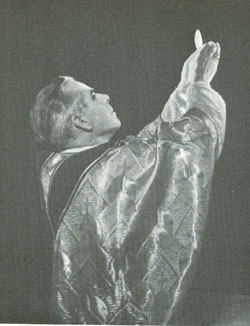
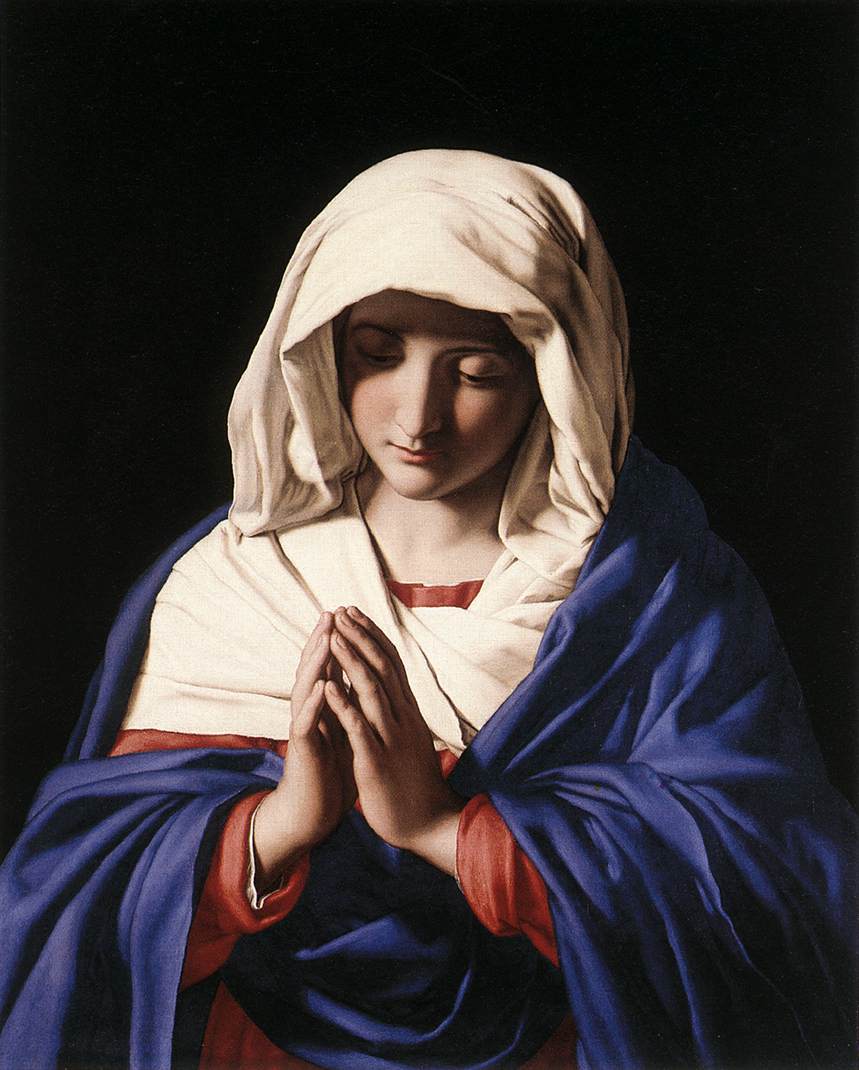
I believe the Venerable Bishop Fulton Sheen once noted that the Archangel Gabriel addressing and declaring the Virgin Mary “full of grace” points to her Immaculate Conception. For if there were sin present in Mary, like inches of mud in the bottom a bucket, she would not be full of grace. But she was clean of heart and full of grace and loved God with her whole self, because our loving God is good and the source of every good.
Now to prevent people from drawing the wrong conclusions, Jesus immediately follows up sharing the greatest commandment with another command from Leviticus. He declares the second greatest commandment is this: “You shall love your neighbor as yourself.” If Jesus had not cited this second commandment, some people would have misunderstood and thought loving God with all our heart, mind, soul, and strength prohibits the love of anyone else. (After all, Jesus said, “No man can serve two masters.”) Instead, we are to love our neighbor as ourselves (and by implication, love ourselves as our neighbors) even as we love God with our whole selves. When our loves are rightly ordered, in loving God fully we will love who and what he loves like he loves them. Contrary to what some might expect, we will love ourselves and other people best by first and fully loving God.
So renew your love for God, choose him first and fully, opposed to your sins or selfish lesser loves, like those saints who lived and died before us who are now in Heaven. Blessed are the clean of heart, for they will see God.





 Parishable Items