Baptism of the Lord
By Fr. Victor Feltes
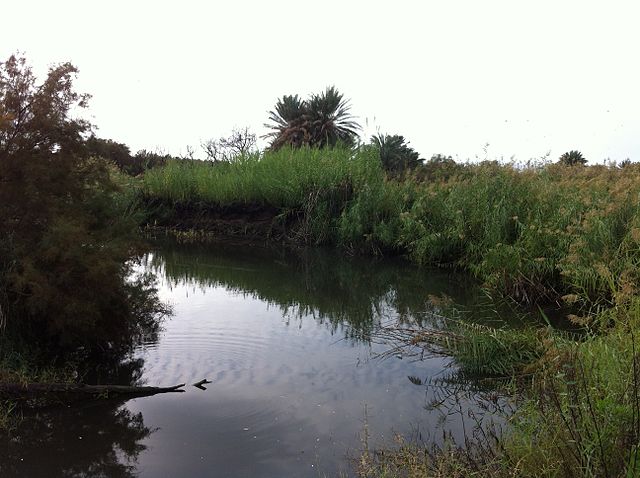
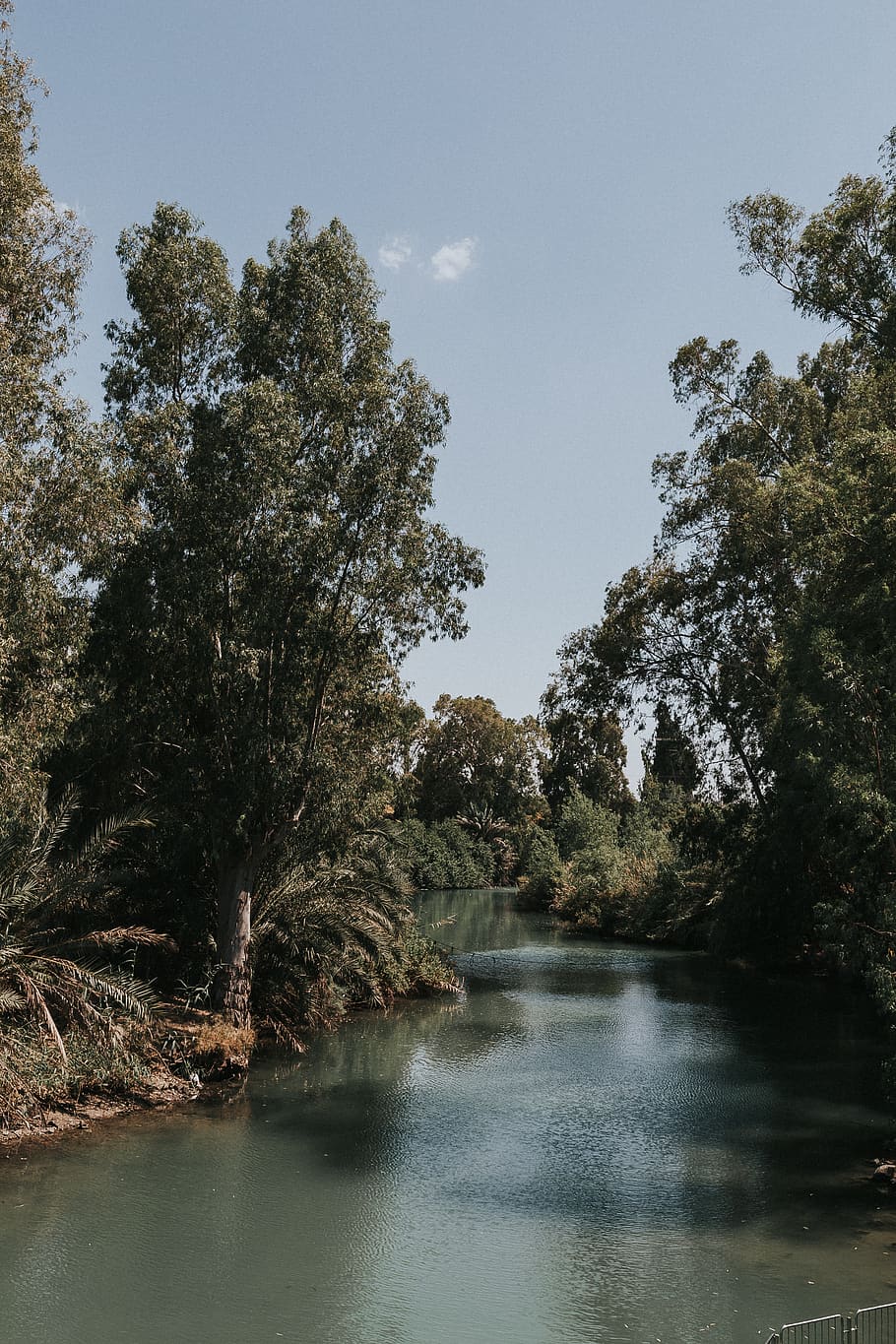
When you think of the Jordan River, you maybe imagine a broad and impressive body of water, but you could toss a rock from one bank of the Jordan River to the other. Yet, unlike the many streams and rivers flowing through our green countryside, the Jordan River is one of very few which pass through that mostly arid land. This is the body of water Jesus chose for his baptism; a humble river of life flowing through a desert. Joshua had led God’s Old Covenant people into the earthly Promised Land through this river. Jesus, the new Joshua, leads God’s New Covenant people into the true Promised Land through his holy baptism.
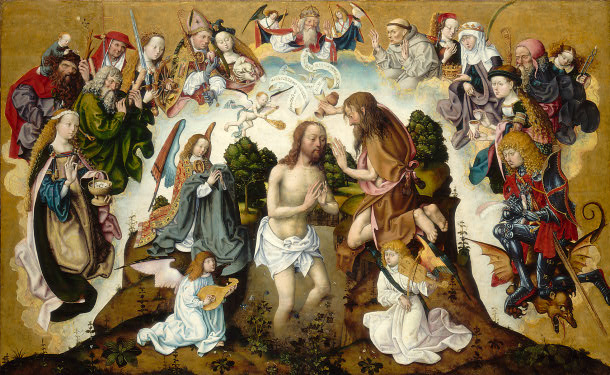
 Jesus did not need John’s baptism for himself. John the Baptist perceived this too and tried to prevent him, saying, “I need to be baptized by you, and yet you are coming to me?” But Jesus insisted, so John relented, “to fulfill all righteousness.” Jesus is baptized not to be made holy by the water but to make the water holy, so that this most plentiful substance upon the face of the earth could be used in Christ’s gateway sacrament all throughout the world. Jesus was baptized to allow us to be united to him through baptism.
The water, the decent of the Spirit, and the voice of the Father all reflect effects of Christian baptism. Jesus’ baptism in the Jordan reflects what occurred for you and me when we were baptized. Through baptism, our souls were cleansed, the grace of the Holy Spirit was imparted to us, and we were acknowledged as a beloved children of God. Perhaps we take these things for granted: that sins can be forgiven, that the divine can dwell within us, that we can be more than mere slaves to the transcendent God of the universe, that we can be treasured sons and daughters of God. We must remember and appreciate these things, for things that go unappreciated can be neglected to our loss.
The Jordan River flows about 150 miles on the eastern border of Israel, south from the Sea of Galilee down into the Dead Sea. These bodies of water present a spiritual allegory. They symbolize a spiritual reality. The Sea of Galilee is a large freshwater lake full of life. Its water pours out into the Jordan River, and this river flows through the desert to bless its shores with life. But these waters ultimately descent 700 vertical feet down into the Dead Sea, to the lowest place on earth, where it has no place else to go. So there the water sits, evaporating away in the heat, leaving behind trace amounts of salt, which overtime causes the Dead Sea be extremely salty, permitting no plants, fish, or other visible life to live. The pure waters from above, received through the holy stream, bear no life in that recipient. Likewise, the sacraments offer grace from above, through a stream of living water, but in the unrepentant soul they bear no life.
If you are in grave sin, for God’s sake, for your sake, and the sake of those around you, repent and be reconciled to God through his Sacrament of Confession. On Saturday, I had the pleasure of celebrating the first Confessions of our second graders. They were a bit nervous beforehand, but afterwards when I asked them how they felt they answered: ‘Good! Great! Awesome!’ Besides the joy of a cleansed soul and conscience, something that Confession gives is a new beginning, the strength and focus to begin anew. Jesus desires for his graces to flow through you as a fruitful blessing in this spiritually-arid world.
The words of Isaiah in our first reading point to Christ, and you are in Christ because of your baptism. So Isaiah’s inspired words are spoken of every soul in a state of grace: Thus says the Lord: “You are my servant whom I uphold, my chosen one with whom I am pleased, upon whom I have put my spirit; I, the LORD, have called you for the victory of justice, I have grasped you by the hand; I formed you… a light for the nations, to open the eyes of the blind, to bring out prisoners from confinement [and darkness.]”
You might not be called to cry out or shout, making your voice heard in the streets, breaking this and crushing that. But Jesus wants to use you as his powerful instrument to work transforming good in this world. The Lord is still quietly saving souls through his faithful ones, who receive his graces and pour them forth. Cooperate with him for this; for him, for yourself, and for the good of many.




 Parishable Items