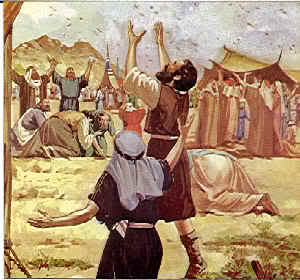
This morning I would like to talk with you about something I call “the Desert Problem.” We see it with the children of Israel during the Exodus. They had seen the ten plagues that were afflicted on their Egyptian oppressors. They had seen the Red Sea split before them. They heard God speak so powerfully and intensely with Moses at the mountain that they trembled. They accepted God’s covenant. They saw, they heard, but then they forgot. The Israelites seem to always be sinning in the desert and we can feel annoyance at them. However, we should not judge them harshly, for their story is our own. We also struggle with the desert problem.
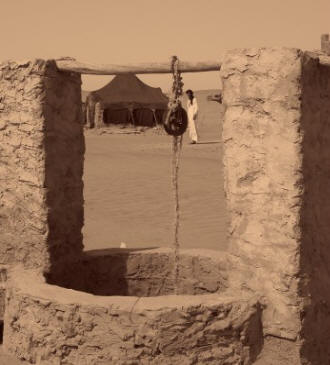 We come to dry and difficult places in our own lives, too. When we face difficulties we too often forget what we have seen and heard and give in to depression, despair, and sin. The solution to the desert problem is the refreshing water of memory. When you are in a desert you need water, but you don’t need to dig a new well every time you need refreshment; you can go back to an old and reliable well. Before you come to your next desert, think of times in the past when you knew God was close, perhaps an intense consolation experienced in prayer, or a providential miracle you’ve witnessed in life. And when you enter your next desert (or if you find yourself in one now) recall these memories to mind and be refreshed in faith. ‘Blessed are your eyes, because they have seen, and your ears, because they have heard,’ but to remain faithful to God in the desert you must remember the great things of God you have seen and heard.