Archive for the ‘Homily’ Category

Light Shines Through Them

October 10, 2013

St. Wenceslaus of Bohemia & St. Louis of France
Two of Our Stained Glass Saints

St. Wenceslaus StatueWe recently celebrated the feast day of St. Wenceslaus, our parish patron. In addition to our statue of him in the back of church, we can see the good king depicted in one of our beautiful stained glass windows. He holds a banner and a shield with his red eagle heraldry for he remains a spiritual leader and defender of his people. Do you know which other luminous saints are featured in our stained glass windows?

Next to St. Wenceslaus’ window stands another holy European monarch, St. Louis IX, the 13th century king of France. (This is the Louis that Missouri’s largest city is named after.) St. Louis was regarded as the first among equals by the kings and rulers of Europe, not only because he commanded the largest army and ruled the wealthiest kingdom, but also because of his admirable character.

Each day, Louis welcomed 13 guests from among the poor to dine with him, and a large number of poor were fed near his palace. During Advent and Lent, all who presented themselves were provided a meal, with Louis himself often serving them. Throughout his kingdom, Louis founded hospitals, visited the sick, and kept lists of the needy, whom he assisted regularly. He chose St. Francis as his patron and imitated him in caring for lepers.

St. Louis of FranceWhen his kingdom came into possession of the believed Crown of Thorns, Louis carried the holy relic in procession barefooted. (This event is depicted in our window.) To house this and other relics connected to Christ’s Passion, Louis had the Gothic Sainte Chapelle built in Paris. It remains one of the most beautiful churches in the world.

Louis’ domestic reforms promoted justice. Before his reign, disputing parties could opt for a “trial by battle,” basically a court sanctioned and regulated duel. St. Louis replaced this with a form of examination of witnesses and encouraged the use of written records in court. His personal reputation for fairness caused the rulers of Europe to choose him to arbitrate the quarrels between them.

Abroad, Louis led two unsuccessful crusades to recapture the Holy Land from the Muslims. In these campaigns more died from disease than battles, including Louis himself, at age 44. St. Louis was canonized 27 years later, making him France’s only canonized king. His feast day is August 25th.

Good King St. Louis, pray for us!

Simon’s Missed Opportunity — Thursday, 24th Week in Ordinary Time—Year I

September 19, 2013

Simon the Pharisee missed his opportunity. He invited Jesus to his house, but neglected to provide him water for his feet, oil for his head, or a kiss of greeting. Maybe Simon was preoccupied and the oversight was accidental, or maybe the discourtesy was intended, but in any case Simon failed to minister to Jesus from head to toe, he missed this chance to show him love.

We, however, are offered Simon’s opportunity every day, for the members of Christ’s body are in our midst. When we serve and greet them, his high and his lowly, we are serving  and loving him. Whatever you do for one of the least brothers of his, you do for him. (Matthew 25:40)

The Ever-Timely G.K. Chesterton — Wednesday, 24th Week in Ordinary Time—Year I

September 18, 2013

Today’s readings remind me of things said by G.K. Chesterton (1874-1936,) the British journalist, writer, husband, and convert to the Faith, whose cause for canonization has just been opened.

In the Gospel, the same critics who rejected John the Baptist, who came “neither eating food nor drinking wine,” as too extreme are rejecting Jesus for being too lax, on account of his “eating and drinking.” This is akin to something Chesterton noticed about criticisms of Christianity while he was still a non-believer. Christianity was supposedly too meek, and the cause of countless wars. It was condemned for its penitential austerity, and condemned for its opulence. The Church imprisoned women, yet was criticized as being “too feminine.” The Church promoted celibacy against the good of marriage, and it promoted marriage, forcing the shackles of marriage and family upon us. The Church feared sexuality, and Catholics had too many children. (Though this was a century ago, similar arguments are still made today.) Chesterton eventually concluded that Christianity was sane and all its critics mad—in various ways.

Why did Chesterton go on to become a Catholic? Partly because he did not see how the Bible could be wielded as a weapon against the Catholic heritage:

The ordinary sensible skeptic or pagan is standing in the street (in the supreme character of the man in the street) and he sees a procession go by of the priests of some strange cult, carrying their object of worship under a canopy, some of them wearing high head-dresses and carrying symbolical staffs, others carrying scrolls and sacred records, others carrying sacred images and lighted candles before them, others sacred relics in caskets or cases, and so on. I can understand the spectator saying, “This is all hocus-pocus”; I can even understand him, in moments of irritation, breaking up the procession, throwing down the images, tearing up the scrolls, dancing on the priests and anything else that might express that general view. I can understand his saying, “Your croziers are bosh, your candles are bosh, your statues and scrolls and relics and all the rest of it are bosh.” But in what conceivable frame of mind does he rush in to select one particular scroll of the scriptures of this one particular group (a scroll which had always belonged to them and been a part of their hocus-pocus, if it was hocus-pocus); why in the world should the man in the street say that one particular scroll was not bosh, but was the one and only truth by which all the other things were to be condemned?  Why should it not be as superstitious to worship the scrolls as the statues, of that one particular procession? Why should it not be as reasonable to preserve the statues as the scrolls, by the tenets of that particular creed? To say to the priests, “Your statues and scrolls are condemned by our common sense,” is sensible. To say, “Your statues are condemned by your scrolls, and we are going to worship one part of your procession and wreck the rest,” is not sensible from any standpoint, least of all that of the man in the street.

What is the “pillar and foundation of truth?” Most Protestants would say “the Bible,” yet Sacred Scripture (in today’s first reading from St. Paul’s 1st letter to Timothy) answers “the Church.” The Bible cannot be trusted more than Catholic Church, which wrote and canonized its books (not to mention taught, revered, and preserved them for two millennia.)

(May the works and prayers of G.K. Chesterton aid us in the world today.)

Catholic Word Puzzles

August 6, 2013

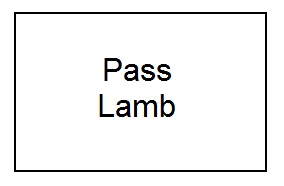
Can you decipher the Catholic phrases represented in these word puzzles? The first, for example, is “Walking on Water”:
Walking on WaterGo in PeaceThree Days in the TombPass Over LambJesus Rose on the Third DayVirgin MarySeparated BrethrenArk of the CovenantLove Covers a Multitude of SinsThe Second Letter of Paul to the Thessalonians

Solutions [Highlight to Reveal]: “Go in Peace,” “Three Days in the Tomb,” “Passover Lamb,” “Jesus Rose on the Third Day,” “Virgin Mary,” “Separated Brethren,” “Ark of the Covenant,” “Love Covers Many (a Multitude of) Sins,” “The Second Letter of Paul to the Thessalonians.”

Giving Our Best — 11th Sunday in Ordinary Time—Year C

June 15, 2013

After the great sins of David, regarding Bathsheba and Uriah, God told King David, “I anointed you king of Israel. I rescued you from the hand of Saul. I gave you your lord’s house and your lord’s wives for your own. I gave you the house of Israel and of Judah. And if this were not enough, I could count up for you still more.” God says this to reveal the ingratitude of David and to prompt a change in the way that David lives. We’ve all been richly blessed also, therefore, we must also live properly.

All good things in life come from God: every beauty you behold with your senses, every useful possession you own, every kind person you know, every good personal characteristic you have, all of these are gifts from God to you. We are not the masters of the things we have or are. We are stewards of these gifts and our Lord is God.

Between God and us there is an immeasurable inequality, for we have received everything from him, our Creator. Our service is not about repaying to God for his loans and our debts. But God has freely chosen to associate man with the work of his grace. ‘By works of the law alone no one will be justified.’ But when we do good works out of love for Christ, by his grace working in us, Jesus rewards us.

“Do you see this woman?” Jesus asks Simon the Pharisee. From her wealth, she gave fine perfume. In her heart, she gave sad tears. From her strength, she gave humble service. From her beauty, she gave her hair soft. From her body, she gave affectionate kisses. The woman gave their best gifts to Jesus because she was forgiven and loved much. She is an example for us. Jesus Christ, who has given you the good things you have, deserves your best gifts of love. And every time you do, he will reward you for our gifts.

Después de los grandes pecados de David, con respecto a Betsabé y Urías, Dios dijo al rey David, “Yo te consagré rey de Israel y te libré de las manos de Saúl, te confié la casa de tu Señor y puse sus mujeres en tus brazos; te di poder sobre Judá e Israel, y si todo esto te parece poco, estoy dispuesto a darte todavía más.” Dios dice esto a revelar la ingratitud de David, y fomentar un cambio en la forma de como David vive. Todos hemos sido ricamente bendecidos también, por lo tanto, debemos vivir apropiadamente también.

Todas las cosas buenas de su vida vienen de Dios: cada belleza que contemplas con tus sentidos, cada posesión útil que posees, cada persona amable que conoces, cada buena característica de la persona que tienes, todos de estos son dones de Dios para ti. No somos los amos de las cosas que tenemos o somos. Somos mayordomos de estos dones y nuestro Señor es Dios.

Entre Dios y nosotros, la desigualdad no tiene medida, porque nosotros lo hemos recibido todo de Él, nuestro Creador. Nuestro servicio no es sobre pagar a Dios por sus créditos y nuestras deudas. Pero Dios ha dispuesto libremente asociar al hombre a la obra de su gracia. ‘Nadie queda justificado por el cumplimiento de la ley sólo.’ Pero cuando hacemos buenas obras por amor a Cristo, por su gracia que obrando en nosotros, Jesús nos recompensa.

“¿Ves a esta mujer?” Jesús pregunta a Simón el fariseo. De su riqueza, ella dio fina perfume. De su corazón, ella dio tristes lágrimas. De su fuerza, ella dio servicio humilde. De su belleza, ella dio su cabello suave. De su cuerpo, ella dio besos cariñosos. La mujer dio sus mejores regalos a Jesús porque ella fue perdonado y amado mucho. Ella es un ejemplo para nosotros. Jesucristo, quien nos ha dado las cosas buenas que tenemos, merece recibir nuestras mejores regalos de amor. Y, cada vez que lo hacemos, él nos recompensará nuestros dones.

Autobiographical Beatitudes — Tuesday, 10th Week in Ordinary Time—Year I

June 11, 2013

The Beatitudes of Jesus are autobiographical:

Jesus was poor in spirit.
Jesus mourned.
Jesus was meek.
Jesus hungered and thirsted for righteousness.
Jesus was merciful.
Jesus was clean of heart.
Jesus was a peacemaker.
Jesus was persecuted for the sake of righteousness.
Jesus was insulted and persecuted and had every kind of evil uttered against him falsely.

Jesus’ saints are people like him, and they share in his reward:

Theirs is the Kingdom of heaven.
They are now comforted.
They inherit the land.
They are now satisfied.
They have been shown mercy.
They now see God.
They are his children.
Theirs is the Kingdom of heaven.
And their reward is great in heaven.

Today, St. Paul told the Corinthians:  “Our hope for you is firm, for we know that as you share in the sufferings, you also share in the encouragement.”  If you and I share in Christ’s likeness, we too will share in the reward that belongs to Jesus and his saints.

Becoming Like God — Trinity Sunday—Year C

June 11, 2013

We become like what we worship. Whatever we value most, whatever we serve as our highest good, is the object of our worship. Whatever it is, the object of our worship forms the kind of people we become. When we worship money, we become greedy. When we worship sex, we become lustful. When we worship power, we become corrupt. When we worship sports, we become fanatical. When we worship appearances, we become vain. When we worship self, we become selfish. But when we worship God, we become godlike. We are called to worship the Holy Trinity, and become like the Father, Son, and Holy Spirit.

The three persons of the Trinity share the same divine attributes. Each one is all-knowing, all-good, all-powerful, but each is a distinct person who knows, loves, and acts. We came to know that the one true God of the Old Testament was not a solitary oneness through the words and example of Jesus Christ. For example, Jesus accepts others’ worship, something only God can rightly do. While Jesus declares that he and God the Father are one, Jesus also prays to his heavenly Father as another person. The Holy Trinity shares the divine nature and consists of three persons.

The Trinity exists as a loving communion of persons. Each one loves and gives the gift of self to the others. This love overflows the Trinity, leading to the creation of everything in the heavens and the earth. We were not made because God had need of us, but because love likes to share and delights in others’ joy. We are called to worship the Trinity, but we are also called to become like the Trinity. To be at home in heaven, we must enter into the loving communion with persons; human, angelic, and divine. Holiness is not a solitary project. No one becomes a saint without others.  Even a secluded hermit must be connected to the wider communion of believers, through loving concern, prayer, and the sacraments. Without this connection to others, the hermit will not become a saint.

How does God intend to make you a saint? Look around at the people in your everyday life. It is through your loving communion with these that the Holy Trinity wants to make you similar to himself. I challenge you to consider how to know, love and serve them more and thereby become a more perfect image of God.

Nos convertimos en lo que adoramos. Lo que más valoramos, lo servimos como nuestro supremo bien, es el objeto de nuestra adoración. Sea lo que sea, el objeto de nuestra adoración constituye el tipo de personas nos convertimos. Cuando adoramos dinero, nos convertimos codiciosos. Cuando adoramos sexo, nos convertimos lujurioso. Cuando adoramos poder, nos convertimos corruptos. Cuando adoramos a los deportes, nos convertimos en fanáticos. Cuando adoramos a las apariencias, nos convertimos vano. Cuando adoramos a uno mismo, nos convertimos egoístas. Pero cuando adoramos a Dios, llegamos a ser divino. Estamos llamados a adorar a la Santísima Trinidad, y llegamos a ser como el Padre, el Hijo y el Espíritu Santo.

Las tres personas de la Trinidad comparten los mismos atributos divinos. Cada uno lo sabe todo, es todo bueno, y es todopoderoso, pero cada uno es una persona distinta que conoce, ama y actúa. Llegamos a saber que el único y verdadero Dios del Antiguo Testamento no era una unidad solitaria a través de las palabras y el ejemplo de Jesucristo. Por ejemplo, Jesús acepta la adoración de los demás, algo que sólo Dios puede hacer justamente. Mientras que Jesús declara que él y Dios el Padre son uno, Jesús tambien ora a su Padre celestial como otra persona. La Santísima Trinidad comparte la naturaleza divina y consiste en tres personas.

La Trinidad existe como una amorosa comunión de las personas. Cada uno ama y se da el don de sí mismo a nosotros. Este amor se desborda la Trinidad y conduce a la creación de todo en los cielos y la tierra. No fuimos hechos por Dios porque tenía necesidad de nosotros, sino porque el amor le gusta compartir y disfruta de la alegría de los demás. Estamos llamados a adorar a la Trinidad, pero también estamos llamados a ser como la Trinidad. Para estar en casa en el cielo, necessitamos entrar aqui en la amorosa comunión con las personas, humano, angélica y divina. Su santidad no es un proyecto solitario. Nadie se convierte en un santo sin otras personas. Incluso un ermitaño recluido debe estar conectado a la comunión de los creyentes en general, a través del amor, la oración y los sacramentos. Sin esta conexión con los demás, el ermitaño no se convierta en un santo.

¿Cómo Dios te haga un santo? Mire a las personas en su vida cotidiana. Es a través de la comunión amorosa con estos que la Santísima Trinidad quiere hacerte similar a sí mismo. Te reto a que considere cómo conocer, amar y servir a ellos más y por lo tanto convertirse en una imagen más perfecta de Dios.

The Pentecost Project — Pentecost—Year C

May 18, 2013

Before Pentecost was a Christian celebration, it was an ancient Jewish observance. In the Old Covenant, in the Law of Moses, God commanded his people to bring some of the first grain harvested from their fields to Jerusalem be sacrificed as a burnt offering. This is the reason why Jews from so many distant countries were gathered in Jerusalem on this fiftieth day after Passover. Each Pentecost, the world’s first fruits were gathered and consecrated to the Lord. On one unique Pentecost, the Pentecost seven weeks after Jesus’ resurrection, Jews from every land were gathered by the Holy Spirit, and consecrated to God the Father, through Jesus Christ. By the end of Old Testament era, God had scattered the seeds of his chosen people across the world. On this Pentecost, the first fruits of his harvest are brought into his barn, the Church.

Pentecost can be seen as the beginning of the end of God’s project of salvation because we are now living in the world’s final era. And yet, Pentecost can also be seen as the start of a new divine project that will perdure forever. At the Tower of Babel, mankind endeavors to build a city reaching all the way to heaven. In other words, they attempt to become as gods while rejecting God. The Lord knows that this recurring human tendency leads to self-destruction, for both individuals and societies, so he thwarts their project by confusing their language. On Pentecost, God undoes Babel by allowing all peoples to understand the Apostles’ words, uniting and ennobling them. On this day, God begins in earnest to build up the Church, a new great city in communion with God that reaches all the way to heaven. Though heaven and earth pass away, this city of God, the Church, shall continue forever.

Why did the Holy Spirit come down in the form of fire? God the Holy Spirit, like the angels, is pure spirit and has no physical body. To be seen by human beings they must assume an appearance. Why did the Holy Spirit appear in the likeness of flames? Consider a different question: How many matches does it take to burn down a forest? The fire from just one small match is enough. As the small fire spreads, while remaining itself, it transforms everything around it. The holy fire that descended on Pentecost did not harm or destroy like natural fire would. The apostles may have been alarmed to see flames sailing towards their heads, but they were not burnt. The fire of the Holy Spirit is like the fire of the burning bush that Moses beheld in Exodus. Divine fire does not consume, but glorifies its hosts. Jesus once declared, “I have come to set the earth on fire, and how I wish it were already blazing!” (Luke 12:49) On Pentecost, a fire is lit in Jerusalem that spreads and transforms the world. This fire is the Holy Spirit at work.

All of salvation history was a preparation for Jesus Christ and Pentecost. Now we live in the last age of the world, the age of the Church, the city of God which shall last forever. Each of us is called to play an active part in this project of the Holy Spirit. On Pentecost, just as important as the gift of tongues given to the apostles was the Holy Spirit’s gift of fearless joy. Even after they had seen Jesus resurrected, the apostles timidly hid behind locked doors “for fear of the Jews.” But the reception of the Holy Spirit gave them a happy courage that allowed them to talk about Jesus in public to anyone who would listen. We have received the Holy Spirit also. Then why are we so timid? Why are we shy to introduce others to Jesus, our friend?  Why are we hesitant to welcome others to the Church, our community?  It seems that the Holy Spirit declines to act with power within us until we give him our free consent. Like he waited upon Mary’s response at the Annunciation, so the Holy Spirit awaits our invitation. Open yourself to the Holy Spirit’s will.  Ask him to give you new, powerful gifts. Give him permission to utilize you in the great project of salvation. And then, let us watch what he does through us.

Antes de Pentecostés era una fiesta cristiana, fue una celebración judía antigua. En el Antiguo Testamento, en la Ley de Moisés, Dios ordenó a su pueblo para llevar a algunos de los primeros granos cosechados de sus campos a Jerusalén ser sacrificado como ofrenda quemada. Esta es la razón Judios de muchos países lejanos se reunieron en Jerusalén en este quincuagésimo día después de la Pascua. Cada Pentecostés, las primicias del mundo se reunieron y se consagraron al Señor. Por un Pentecostés especial, siete semanas después de la resurrección de Jesús, Judios de todos los países se reunieron por el Espíritu Santo, y se consagraron a Dios Padre por medio de Jesucristo. Para el final de la época de del Antiguo Testamento, Dios había esparcido las semillas de su pueblo elegido a través del mundo. En este Pentecostés, los primeros frutos de su mies se llevan a su granero, la Iglesia.

Pentecostés se puede considerar como el comienzo del fin del proyecto de salvación de Dios porque estamos ahora viviendo en la época final del mundo. Y, sin embargo, Pentecostés se puede también ser visto como el comienzo de un nuevo divino proyecto que va a perdurar para siempre. A la Torre de Babel, la humanidad se esfuerza por construir una ciudad llegar al cielo. En otras palabras, ellos intentan convertirse en dioses mientras que rechazando a Dios. El Señor sabe que esta tendencia humana recurrente conduce a la auto-destrucción, tanto para los individuos y las sociedades. Por lo tanto, Dios frustra su proyecto a través de confundir su idioma. En Pentecostés, Dios deshace Babel a través de permitir que todos los pueblos a comprender las palabras de los apóstoles. Dios une a las gente y les ennoblece. En este día, Dios comienza en serio la edificación de la Iglesia, una nueva gran ciudad en comunión con Dios, que llega a todo el camino al cielo. Aunque el cielo y la tierra pueden pasar, esta ciudad de Dios, la Iglesia, continuará para siempre.

¿Por qué el Espíritu Santo descendió en forma de fuego? Dios el Espíritu Santo, como los ángeles, es espíritu puro y no tiene cuerpo físico. Para ser visto por los seres humanos deben asumir una apariencia. ¿Por qué el Espíritu Santo aparece en la imagen de las llamas? Considere una pregunta diferente: ¿Cuántas fósforos se necesitan para quemar un bosque? El fuego de un solo fósforo es suficiente. Como los pequeños fuego se extiende, sin dejar de ser ella misma, se transforma todo a su alrededor. El fuego sagrado que descendió en Pentecostés no dañar o destruir como el fuego natural. Los apóstoles pueden haber sentido la ansiedad a ver las llamas que vuelan hacia sus cabezas, pero no fueron quemados. El fuego del Espíritu Santo es como el fuego de la zarza ardiente que vio Moisés en Éxodo. Fuego divino no consume, pero glorifica a su moradas. Jesús una vez declaró: “Yo he venido a traer fuego sobre la tierra y ¡cuánto desearía que ya estuviera ardiendo!” (Lucas 12:49) En el día de Pentecostés, el fuego se enciende en Jerusalén, se extiende y transforma el mundo. Este fuego es el Espíritu Santo en el trabajo.

Toda la historia de la salvación fue una preparación para Cristo y Pentecostés. Ahora vivimos en la última época del mundo, la era de la Iglesia, la ciudad de Dios que durará para siempre. Cada uno de nosotros está llamado a desempeñar un papel activo en este proyecto delEspíritu Santo. En el día de Pentecostés, tan importante como el don de lenguas dadas a los apóstoles fue el don del Espíritu Santo de la alegría sin miedo. Aun después de que habían visto a Jesús resucitado, los apóstoles se escondían tímidamente detrás de puertas cerradas “por miedo de los Judios”. Sin embargo, la recepción delEspíritu Santo les dio un coraje feliz que les permitió hablar de Jesús en público a cualquier persona que escucharía. Hemos recibido el Espíritu Santo también. Entonces ¿por qué estamos tan tímido? ¿Por qué evitamos introducir a otros a Jesús, nuestro amigo? ¿Por qué estamos renuentes a dar la bienvenida a otros a nuestra Iglesia, nuestra comunidad? Parece que el Espíritu Santo se niega a actuar con el poder dentro de nosotros hasta que le demos nuestro consentimiento libre. Como él esperó a la respuesta de María en la Anunciación, del mismo modo el Espíritu Santo espera nuestra invitación. Ábrase a la voluntad delEspíritu Santo. Pídele que le dará nuevos, poderosos dones. Dará el Espíritu Santo permiso usarte más en su gran proyecto de salvación. Y luego, velemos lo que hace a través de nosotros.

Why Didn’t Jesus Stay? — The Ascension—Year C

May 11, 2013

Today, Jesus ascends with his human nature into heaven. He takes his seat at the right hand of the Father. There Jesus enjoys the greatest honor and intimacy with his Father and from heaven he reigns and intercedes for us. Yet I wonder on this Feast of the Ascension, “Why didn’t Jesus remain visibly with us, here on earth? Why not lead us as our king down here so that we could see and hear him?”

Some would argue that Jesus was limited by his humanity—that Jesus’ human nature prevented him from being at more than one place at a time. They would say that Jesus could preach today in Chicago or heal the sick in Rio de Janeiro, but he cannot do both simultaneously—reigning from heaven allows Jesus to be more present to every place and every person. However, Jesus is not limited in this way by his glorified human nature. Several saints have manifested the gift of bi-location during their lifetimes. Most recently and famously, St. Padre Pio was often at more than one place at the same time. Surely, if Jesus’ saints can possess this power then the Lord Jesus would as well. Furthermore, Jesus demonstrates that his humanity can be more than one place simultaneously through his Real Presence in the Eucharist. Though veiled under the appearances of bread and wine, the entire living person of Jesus (including his body and blood, soul and divinity) is truly present in the Eucharist.

So if Jesus can be physically present in as many places as he wishes, why is he not visibly reigning in millions of places in roles here on earth? For instance, why isn’t Jesus the pastor at every parish church and the bishop in every diocese? One major reason why Jesus rejects this approach is that he wants us to share in his work, his mission, and his glory. Jesus wants you and I to have a part in saving our family and friends and the world. Jesus prayed to his Father at the Last Supper, “As you sent me into the world, so I sent them into the world,” (John 17:18) and Jesus told his disciples after his resurrection, “As the Father has sent me, so I send you” (John 20:21). You and I are sent to do and continue the works that we have seen Jesus do. As Jesus once said, “Amen, amen, I say to you, whoever believes in me will do the works that I do, and will do greater ones than these, because I am going to the Father” (John 14:12). It is not easy to live as Jesus Christ in the world, but this is our great vocation. For this reason, we must receive the force from on high. Pray for the deeper gifts that the Lord wants to give you through the Holy Spirit, whose coming in power we will celebrate next Sunday.

Hoy, Jesús asciende con su naturaleza humana al cielo. Jesús se sentó a la derecha del Padre. Allí Jesús disfruta del mayor honor y la intimidad con su Padre y él reina e intercede por nosotros desde el cielo. Sin embargo, me pregunto en esta fiesta de la Ascensión: “¿Por qué Jesús no permanecen visiblemente con nosotros, aquí en la tierra? ¿Por qué no quedarse aquí como nuestro rey para que nosotros pudiéramos verlo y escucharlo?”

Algunos podrían argumentar que Jesús estaba limitado por su humanidad-que la naturaleza humana de Jesús no poder estar en más de un lugar al mismo tiempo. Dirían que Jesús pudo predicar hoy en Chicago o curar a los enfermos en Río de Janeiro, pero lo no puede hacer ambas cosas al mismo tiempo—reinante desde el cielo permite que Jesús sea más presente a todo lugar y persona. Sin embargo, Jesús no se limita de esta manera por su naturaleza humana glorificada. Varios santos han manifestado el don de la bilocación durante sus vidas. Más recientemente y famosamente, San Padre Pio fue visto a menudo en más de un lugar al mismo tiempo. Seguramente, si los santos de Jesús pueden poseer este poder, entonces el Señor Jesús lo haría también. De hecho, Jesús demuestra que su humanidad puede haber más de un lugar al mismo tiempo a través de su presencia real en la Eucaristía. Aunque velado bajo las especies del pan y del vino, toda de la persona viva de Jesús (incluyendo su cuerpo y sangre, alma y divinidad) está realmente presente en la Eucaristía.

Si Jesús puede estar presente físicamente en tantos lugares como él desea, ¿por qué Jesús no reinando visiblemente en millones de funciones aquí en la tierra? Por ejemplo, ¿por qué Jesús no es el pastor en cada parroquia y el obispo en cada diócesis? Una gran razón Jesús rechazado este método es que él quiere que compartamos en su trabajo, su misión y su gloria. Jesús quiere que ustedes y yo tener una parte en salvando a nuestras familias, y nuestros amigos, y nuestro mundo. Jesús oró a su Padre en la Última Cena: “Como tú me enviaste al mundo, yo los envío también al mundo,” (Juan 17:18) y Jesús dijo a sus discípulos después de su resurrección: “Como el Padre me envió a mí, así yo los envío a ustedes,” (Juan 20:21). Ustedes y yo estamos envió a hacer y continuar los trabajos que hemos visto hacer a Jesús. Como Jesús dijo una vez: “Ciertamente les aseguro que el que cree en mí las obras que yo hago también él las hará, y aun las hará mayores, porque yo vuelvo al Padre,” (Juan 14:12). No es fácil vivir como Jesús Cristo en el mundo, pero este es nuestro gran vocación. Por esta razón, debemos recibir la fuerza de lo alto. Ore por los dones más profundos que el Señor Jesús quiere darte a través delEspíritu Santo, cuya venida en el poder vamos a celebrar el próximo domingo.

Who’s What? — 6th Sunday of Easter—Year C

May 5, 2013

In the verse preceding today’s second reading, an angel tells Saint John, “Come here. I will show you the bride, the wife of the Lamb.” Therefore, the city of God that John next describes is the Church, the bride of Christ, in her holy glory. The city has twelve gates inscribed with the names of the twelve tribes of Israel. The city’s foundation stones are inscribed with the names of the twelve apostles.

But didn’t Jesus say, “I am the gate; if any one enters by me, he will be saved…” (John 10:9)? And didn’t Saint Paul say, “…No one can lay a foundation other than the one that is there, namely, Jesus Christ” (1 Corinthians 3:11)? Then why do the gates and foundation stones bear the names of God’s people and the apostles? Who is the foundation and gate—Jesus or his people?

Like so many theological concepts in Catholicism, the answer is “both/and.” The Lord works through us, with us, and in us to lead people to himself, to his church, and to heaven. The Trinity dwells in us and calls us to participate in the great project of saving the world. As Jesus said to his disciples: “Whoever loves me will keep my word, and my Father will love him, and we will come to him and make our dwelling with him.” And Jesus adds, “The Advocate, the Holy Spirit, whom the Father will send in my name, will teach you everything and remind you of all that I told you.” The apostles knew that they were working hand in hand with the Holy Spirit. Responding to an important doctrinal question, the apostles declare in the first reading, “It is the decision of the Holy Spirit and of us not to place on you any burden beyond these necessities…”

Recently, I have been more intentional about asking the Holy Spirit in the morning to guide my day. After asking him to help me be his instrument and a blessing to other people, I have experienced some amazing encounters and opportunities in my ministry. I urge you to try the same thing. God gives us the privilege of participating in his great work of blessing, love, and salvation. Make yourself available to the Trinity dwelling within you.

En el versículo anterior a la segunda lectura de hoy, un ángel dice a San Juan: “Ven acá. Yo te mostraré la novia, la esposa del Cordero.” Por lo tanto, la ciudad de Dios que Juan describe próxima es la Iglesia, la esposa de Cristo, en su santa gloria. La ciudad tiene doce puertas con los nombres de los doce tribus de Israel. Las piedras de los cimientos de la ciudad están inscritos los nombres de los doce apóstoles.

¿Pero no dijo Jesús: “Yo soy la puerta; si alguno entra por mí, será salvo…” (Juan 10:9)? ¿Y no San Pablo dice: “…Nadie puede poner otro fundamento que el que ya está puesto, el cual es Jesucristo.” (1 Corintios 3:11)? ¿Por qué entonces las puertas y cimientos tienen los nombres de le gente del Señor y sus apóstoles? ¿Quién es el fundamento y la puerta-Jesús o su pueblo?

Como tantas ideas teológicas en el catolicismo, la respuesta es “ambos”. El Señor obra por medio de nosotros, con nosotros y en nosotros para llevar a la gente a sí mismo, a su iglesia, y al cielo. La Trinidad habita en nosotros y nos llama a participar en el gran proyecto de salvar al mundo. Jesús dice a sus discípulos: “El que me ama, cumplirá mi palabra y mi Padre lo amará y vendremos a él y haremos en él nuestra morada.” Y Jesús añade: “El Consolador, el Espíritu Santo que mi Padre les enviará en mi nombre, les enseñará todas las cosas y les recordará todo cuanto Yo les he dicho.”Los apóstoles sabían que estaban trabajando de la mano con el Espíritu Santo. En respuesta a una pregunta importante doctrinal, los apóstoles declaran en la primera lectura de hoy: “Es la decisión del Espíritu Santo y nosotros, no colocar el imponeros más cargas que estas necesidades…”

Recientemente, he estado más intencional en pedirle al Espíritu Santo que guía mi día. Después de pedirle que me ayude a ser su instrumento y una bendición para otras personas, he tenido algunos encuentros increíbles y oportunidades en mi ministerio. Ustedes pueden hacerlo tambien. Dios nos da el privilegio de participar en su gran obra de bendición, amor y salvación. Hacerte disponible para la Trinidad que habita en tu interior.

Remade for Love — 5th Sunday of Easter—Year C

April 27, 2013

Today, Jesus gives us his new commandment: “Love one another. As I have loved you, so you also should love one another.” What a challenge this is! Consider how Jesus loved us: he lived and died for us! Loving people like Jesus does is not an easy commandment to keep, yet we must keep it. As Saint Paul preached, “It is necessary for us to undergo many hardships to enter the kingdom of God.”

It is not easy to love as Christ loves, but the Lord assists those who seek to please and serve him. God matures us in love through our ordinary, daily lives. And God perfects us in love through our hard times. We have no lack of opportunities: daily life gives us countless chances to love as Jesus would. And wherever we are too weak to grow or change ourselves, the Lord permits us to experience difficulties in order to transform us. Like a doctor, he sometimes gives us bitter medicine to cure our illnesses.

I have seen this happen in my own life. When I was little, it was painful to be teased by my peers, but this led to my practice of treating everyone kindly. When I was older, it hurt to discover that the first woman I fell in love with did not share my feelings, but this experience cured me of my cynicism about the beauty of romantic love. When I was newly ordained, my first assignments were challenging, but this made me a better priest. All these things displeased me at the time, but now I am grateful for their results.

Can you see how God has used the difficulties of your life to make you become more like Jesus Christ? Then do not lose heart when new difficulties come to you. Through all these things, our love is being made into the perfect likeness of Jesus Christ. God refuses to leave us as we are. Instead, as the One who sat on the throne said, “Behold, I make all things new.”

Hoy, Jesús nos da su mandamiento nuevo: “Que os améis los unos a los otros. Que, como yo os he amado, así os améis también vosotros los unos a los otros.” ¡Qué desafío es esto! Considere como Jesús nos ha amado: él vivió y murió por nosotros! Amar a las personas como Jesús no es un mandamiento fácil de mantener, sin embargo, deben mantenerlo. Como San Pablo predicó: “Es necesario que pasemos por muchas tribulaciones para entrar en el Reino de Dios.”

No es fácil amar como Cristo ama, pero el Señor ayuda a aquellos que tratan de agradar y servir a él. Dios nos madura en el amor a través de nuestras vidas cotidianas. Y Dios nos perfecciona en el amor a través de nuestros tiempos difíciles. No tenemos ninguna falta de oportunidades: la vida cotidiana nos da innumerables posibilidades de amar como Jesús lo haría. Y donde estemos demasiado débiles para crecer o cambiar nosotros mismos, el Señor nos permite experimentar dificultades para transformarnos. Él es como un médico, que a veces nos da la amarga medicina para curar nuestras enfermedades.

He visto que esto suceda en mi propia vida. Cuando era pequeña, era doloroso para ser objeto de burlas por mis compañeros, pero esto me llevó a la práctica de tratar a todos con amabilidad. Cuando fui mayor, me dolía al descubrir que la primera mujer que me enamoré no compartía los mismos sentimientos que yo tenia, pero esta experiencia me curó de mi cinismo acerca de la belleza del amor romántico. Después de mi ordenación, mis primeros trabajos fueron duros para mí, pero me hizo un mejor sacerdote. Todas estas cosas me disgustaron en su momento, pero ahora estoy agradecido por sus resultados.

¿Puedes de ver cómo Dios ha usado a las dificultades de tu vida para hacer más como Jesucristo? Entonces no perder el corazón cuando las nuevas dificultades vengan a ti. A través de todas estas cosas, nuestro amor se convirtió en la imagen perfecta del amor de Jesucristo. Dios se niega a dejarnos como somos. En cambio, como el que estaba sentado en el trono dijo: “Yo hago nuevas todas las cosas.”

The Unique Shepherd — 4th Sunday of Easter—Year C

April 20, 2013

Last weekend I traveled across Minnesota for my friend Bernadette’s thirtieth birthday party. I also met her fiancé, Glen, who is a farmer. We visited Glen’s farm and saw his flock of sheep in the barn. Watching the sheep was a fun experience for me and serious research as well. Both Jesus and the Scriptures talk a lot about sheep. As today’s psalm says, “We are his  people, the sheep of his flock.” I studied this flock to see what I could learn.

I had never realized how timid sheep are. When we entered the barn they ran away to the far end of the barn. The new lambs in their smaller pen tried to hide their noses in a corner away from us. I was a little disappointed. I would have liked these sheep and lambs to be friendly, cuddly, and affectionate, but they were skittish. When Glen walked near them they had a small stampede. Glen said the sheep will come near if they see that he is about to feed them hay.

I felt somewhat disappointed in the behavior of the sheep. Then I wondered how much we resemble these sheep in our relationship with the Jesus the Good Shepherd. As members of Jesus’ flock we often neglect to approach him unless we need or want something from him. We often feel afraid to come too close to him because we fear what he might ask of us. Does Jesus feel contempt towards us, his flock, because of our neglect and timidity? No, he holds us tightly, and ‘no one can take us out of his hand.’ Jesus is unlike any other shepherd. Jesus has done something no other shepherd has done. Jesus has become a lamb among his own flock.

In Revelation, John sees Jesus as ‘the Lamb who is in the center of the throne who will shepherd us and lead us.’ Our shepherd is a sinless lamb. I have never been a sheep myself, so I do not truly understand what they experience. But Jesus truly understands our human condition. As Jesus said of his sheep, “I know them, and they follow me.”

Perhaps Glen’s flock fled from him because he does not live in their barn and fields with them. But our Lord Jesus Christ, like ancient shepherds, remains with his flock always. Encouraged by his constant devotion to us, let us hear his voice and follow him. Let us pray to the Lord always, and not merely when we want something from him. And let us come closer to our Good Shepherd, receptive to whatever his will for us may be.

La semana pasada viajé a través de Minnesota para la fiesta de cumpleaños trigésimo de mi amiga Bernadette. También conocí a su prometido, Glen, quien es agricultor. Visitamos su granja y vimos su rebaño de ovejas en el establo. Mirar las ovejas fue una experiencia divertida para mí y una investigación seria también. Tanto Jesús y las Escrituras hablan mucho de ovejas. Como el salmo de hoy dice: “Somos su pueblo y su rebaño.” Estudié este rebaño a ver qué podía aprender.

Nunca me había dado cuenta de lo tímidas ovejas. Cuando entramos en el establo huyeron hasta el extremo. El nuevo corderos en la pluma más pequeña trataron de ocultar sus narices en un rincón alejado de nosotros. Yo estaba un poco decepcionado. Deseé estas ovejas y corderos ser amigable, tierno y cariñoso, pero estaban nerviosos. Cuando Glen caminaba cerca de ellos tenían una pequeña estampida. Glen dijo que las ovejas se acercará si ven que él está a punto darles de comer heno.

Me sentí un poco decepcionado con el comportamiento de estas ovejas. Entonces me pregunté cuánto somos como las ovejas en nuestra relación con Jesús el Buen Pastor. Como miembros de rebaño de Cristo, a menudo nos olvidamos de acercarse a él a menos que necesitamos o queremos algo de él. A menudo nos sentimos miedo de acercado demasiado a él porque tememos lo que él puede pedir de nosotros. ¿Tiene Jesús nos desprecian, sus ovejas, a causa de nuestra negligencia y timidez? No, él nos sostiene firmemente, y ‘nadie puede sacarnos de su mano.’ Jesús es diferente a ningún otro pastor. Jesús ha hecho algo que ningún otro pastor ha hecho. Jesús se ha convertido en un cordero entre sus ovejas.

En Apocalipsis, Juan ve a Jesús como ‘el Cordero, que está en el trono, quien será nuestro pastor y conducirá nos’. Nuestro pastor es un cordero sin pecado. Nunca he sido una oveja a mí mismo, así que no entiendo realmente lo que experimentan. Pero Jesús realmente entiende nuestra condición humana. Como dijo Jesús de sus ovejas, “Yo las conozco y ellas me siguen.”

Tal vez el rebaño de Glen huyó de él porque él no vive en su establo y sus campos con ellos. Pero nuestro Señor Jesucristo, como pastores antiguos, permanece con su rebaño siempre. Alentado por su constante devoción a nosotros, vamos a escuchar su voz y seguirlo. Oremos al Señor siempre, y no sólo cuando queremos algo de él. Y háganos acercarnos a nuestro Buen Pastor, receptivo a cualquiera que sea su voluntad para nosotros sea.

Seeing Jesus At Your Job — 3rd Sunday of Easter—Year C

April 15, 2013

In the seven weeks between Easter and Pentecost, the apostles were filled with faith in the risen Christ, but they lacked something to do. In those days, the visible Christ was not constantly with them and the Holy Spirit had not yet prompted them to preach the good news about Jesus. The apostles had not yet been entrusted with any task, so they had nothing to do.  Even if you are someone who has witnessed Jesus Christ risen from the dead, you still need to eat. Therefore Peter says, “I am going fishing,” and six others join him. Fishing the Sea of Galilee was Peter’s business and livelihood before Jesus called him.

In today’s Gospel, Peter goes back to his old job. Then, unexpectedly, Jesus comes to Peter’s place of work. Jesus comes disguised (as his resurrected body allows) and at first the disciples do not recognize him. But, when they realize it is Jesus, they begin acting differently. How would you treat the Lord if he came to where you work?

Perhaps you’ve heard of the importance of ‘seeing Jesus in other people.’ ‘Seeing Jesus in others’ means treating them as you would treat Jesus Christ himself. Of course, a Christian should not worship anyone or anything but God, but Jesus wants us to love other people by using our love for him. The Gospel of Matthew says, when Jesus comes in his glory, and all the holy angels with him, then he shall sit upon the throne of his glory, and before him shall be gathered all nations. And Jesus, the king, will say to them, “Amen, I say unto you, inasmuch as you did it to one of these least of brethren of mine, you did for me.”

Sometimes we mentally separate our work from our faith, but remember that we are to serve and honor Jesus always and everywhere. Jesus comes to you at the place where you work, unexpectedly and disguised, in your customers, your peers, and your bosses. See Jesus in other people and love them using your love for him.

En las siete semanas entre Pascua y Pentecostés, los apóstoles estaban llenos de fe en Cristo resucitado, pero les faltaba algo que hacer. En aquellos días, el Cristo no era visible constantemente con ellos y el Espíritu Santo no había impulsado aún a predicar las buenas nuevas acerca de Jesús. Los apóstoles no había sido confiado con cualquier tarea, no tenían nada que hacer. Incluso si usted es alguien que ha visto a Jesús resucitado de entre los muertos, usted todavía necesita comer. Por lo tanto, Pedro dice: “Voy a pescar”, y seis otros seguirlo. Pesca en el Mar de Galilea era el negocio de Pedro y su subsistencia antes de que Jesús lo llamara.

En el evangelio de hoy, Pedro vuelve a su antiguo trabajo. Entonces, inesperadamente, Jesús viene al lugar de trabajo de Pedro. Jesús viene disfrazado (como su cuerpo resucitado permite) y al principio los discípulos no lo reconocen. Pero, cuando se dan cuenta que lo es Jesús, ellos empiezan a comportarse de manera diferente. ¿Cómo trataría usted al Señor si él llegó a su lugar de trabajo?

Tal vez usted ha oído hablar de la importancia de “ver a Jesús en los demás”. “Ver a Jesús en los demás” significa tratarlos como haría tratar el mismo Jesucristo. Por supuesto, un cristiano no debe adorar a nadie ni a nada sino a Dios, pero Jesús quiere que amemos a los demás mediante el uso de nuestro amor por él. El Evangelio de Mateo dice que cuando Jesús venga en su gloria, y todos los santos ángeles con él, entonces se sentará sobre el trono de su gloria y serán reunidas delante de él todas las gentes. Entonces Jesús el Rey nos dirá: “De cierto os digo que en cuanto lo hicisteis á uno de estos mis hermanos pequeñitos, á mí lo hicisteis”.

Estamos mentalmente separar nuestro trabajo de nuestra fe a veces, pero recuerde que estamos para servir y honrar a Jesús siempre y en todas partes. Jesús viene a usted en el lugar donde usted trabaja, de forma inesperada y disfrazada, en sus clientes, sus compañeros y sus jefes. Ver a Jesús en los demás y amarlos con su amor por él.

His Merciful Greetings — 2nd Sunday of Easter—Year C

April 6, 2013

On the evening of the first Easter Sunday, Jesus appears to the disciples in the locked room where they are hiding and says to them, “Peace be with you.” Then he shows them his hands and his side and says to them again, “Peace be with you.” A week later, when his disciples are together and Thomas is with them, Jesus comes and stands in their midst and says, “Peace be with you.” Three times in this Gospel, our Lord Jesus says, “Peace be with you.”

This greeting of Jesus may seem like a small thing, but it is not. Imagine a Jesus who is a radically different person compared to the actual Jesus we know. This imaginary Jesus appears to his disciples, looks at them, and says, “I condemn you all.” This Jesus castigates the apostles for their desertion. He shows his wounded hands to them as a reproach. “I have these wounds because you abandoned me.” Then this Jesus turns to Peter and says, “You denied me. Now I deny you.” I doubt this unforgiving Jesus would come back to encounter Thomas or the other disciples ever again.

How terrible that would be? But of course, this Jesus is not the real Jesus. (Thanks be to God.) The real Jesus Christ we know says, “Peace be with you.” His words are patient, not angry. His words are loving, not rejecting. His words are merciful, not condemning. His words are from the boundless ocean of divine mercy within him and the mercy of the Lord is eternal. “Peace be with you.” Jesus speaks these words to us today. Let these words of Jesus go deeply within you, and you will always have the peace of Christ.

Al anochecer del primer domingo de Pascua, Jesús se aparece a los discípulos en el cuarto cerrado donde se esconden y les dice: “La paz esté con ustedes”. Luego les muestra sus manos y su costado y les dice otra vez: “La paz esté con ustedes”. Una semana más tarde, cuando sus discípulos están juntos y Tomás está con ellos, Jesús viene y ponte en medio de ellos y dijo: “La paz esté con ustedes.” Tres veces en este Evangelio, el Señor Jesús dice: “La paz esté con ustedes”.

Este saludo de Jesús puede parecer una cosa pequeña, pero no lo es. Imagine un Jesús que es una persona radicalmente diferente en comparación con el real Jesús que conocemos. Este imaginario Jesús se aparece a sus discípulos, los mira y dice: “Condeno todos ustedes.” Este Jesús castiga a los apóstoles por su deserción. Él muestra sus manos heridas a ellos como un reproche. “Tengo estas heridas porque me has abandonado”. Entonces esto Jesús se dirige a Pedro y le dice: “Usted me negó. Ahora yo te negaré”. Dudo que esto Jesús volvería a encontrarse con Tomás y los otros discípulos nunca más.

¡Qué terrible que sería? Pero, por supuesto, este Jesús no es el Jesús real. (Demos gracias a Dios.) El verdadero Jesucristo sabemos dice: “La paz esté con ustedes”. Sus palabras son pacientes, no enojado. Sus palabras son cariñosos, no rechazar. Sus palabras son misericordiosos, no condenar. Sus palabras son del océano infinito de la misericordia divina en su interior, y la misericordia del Señor es eterna. “La paz esté con ustedes”. Jesús dice estas palabras para nosotros hoy. Entonces, permita que estas palabras de Jesús de ir profundamente dentro de usted, y usted siempre tendrá paz de Jesucristo.

All Because He Loves You — Easter Vigil

April 2, 2013

As human beings, our knowledge and motivations are limited.

Jesus Christ, however, is human and divine.

He is the eternal second person of the Trinity.

His knowledge is unlimited and his motivations are countless.

And so, truly and amazingly, Jesus Christ has known you and loved you since before time began.


In the beginning of creation, Jesus foreknew you and loved you.

He calls the Patriarchs in ancient times; in part, because he loves you.

He frees the Hebrews from slavery, because he loves you.

He settles them in the Promised Land, because he loves you.

He establishes David’s kingdom, because he loves you.

He commissions the prophets, because he loves you.


In the fullness of times, he becomes man, because he loves you.

He ministers and preaches on earth, because he loves you.

He is rejected, because he loves you.

He is whipped, because he loves you.

He is crucified, because he loves you.

He suffers and dies, because he loves you.

On third day, he resurrects and conquers death, because he loves you.


In more recent times, he gives you life in your mother’s womb, because he loves you.

He grants you countless blessings, because he loves you.

He encounters you in his Catholic Church, because he loves you.

He baptizes you as the Father’s child, because he loves you.

He confirms you as the Spirit’s coworker, because he loves you.

He incorporates you as a member of his body, because he loves you.


You are blessed in more ways than you can count because of him.

You are here today because of Jesus Christ.

You are here on Easter because you love Jesus Christ but, more importantly, because he loves you.


Como seres humanos, nuestros conocimientos y motivaciones son limitados.

Jesucristo, sin embargo, es humano y divino.

Él es la segunda persona de la Trinidad.

Su conocimiento y sus motivos son ilimitadas.

Verdaderamente, y sorprendentemente, Jesucristo te conoce y te ama desde antes de los siglos.


En el principio de la creación, Jesús te preconoce y te ama.

Él llama a los Patriarcas en la antigüedad, en parte, porque él te ama.

Él libera a los hebreos de la esclavitud, porque él te ama.

Él les instala en la tierra prometida, porque él te ama.

Él establece el reino de David, porque él te ama.

Él comisiona a los profetas, porque él te ama.


En la plenitud de los tiempos, se convierte en el hombre, porque él te ama.

Él ministra y predica en la tierra, porque Él te ama.

Él es rechazado, porque él te ama.

Él es azotado, porque él te ama.

Él es crucificado, porque él te ama.

Él sufre y muere, porque él te ama.

En el tercer día, él vence la muerte, porque él te ama.


En nuestro tiempo, él te da la vida en el vientre de tu madre, porque él te ama.

Él le concede innumerables bendiciones, porque él te ama.

Él le encuentra en su Iglesia Católica, porque él te ama.

Él le bautiza como un hijo del Padre, porque él te ama.

Él le confirme como compañero de trabajo del Espíritu, porque él te ama.

Él le incorpora como miembro de su cuerpo, porque él te ama.


Eres bendecido de muchas maneras que usted puede contar por su culpa.

Estas aquí hoy debido a Jesucristo.

Estas aquí en la Pascua porque amas a Jesús Cristo, sino, más importante aún, porque él te ama.