Archive for the ‘Salvation History’ Category

The Pentecost Project — Pentecost—Year C

May 18, 2013

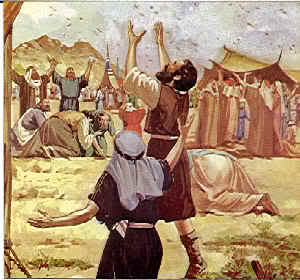
Before Pentecost was a Christian celebration, it was an ancient Jewish observance. In the Old Covenant, in the Law of Moses, God commanded his people to bring some of the first grain harvested from their fields to Jerusalem be sacrificed as a burnt offering. This is the reason why Jews from so many distant countries were gathered in Jerusalem on this fiftieth day after Passover. Each Pentecost, the world’s first fruits were gathered and consecrated to the Lord. On one unique Pentecost, the Pentecost seven weeks after Jesus’ resurrection, Jews from every land were gathered by the Holy Spirit, and consecrated to God the Father, through Jesus Christ. By the end of Old Testament era, God had scattered the seeds of his chosen people across the world. On this Pentecost, the first fruits of his harvest are brought into his barn, the Church.

Pentecost can be seen as the beginning of the end of God’s project of salvation because we are now living in the world’s final era. And yet, Pentecost can also be seen as the start of a new divine project that will perdure forever. At the Tower of Babel, mankind endeavors to build a city reaching all the way to heaven. In other words, they attempt to become as gods while rejecting God. The Lord knows that this recurring human tendency leads to self-destruction, for both individuals and societies, so he thwarts their project by confusing their language. On Pentecost, God undoes Babel by allowing all peoples to understand the Apostles’ words, uniting and ennobling them. On this day, God begins in earnest to build up the Church, a new great city in communion with God that reaches all the way to heaven. Though heaven and earth pass away, this city of God, the Church, shall continue forever.

Why did the Holy Spirit come down in the form of fire? God the Holy Spirit, like the angels, is pure spirit and has no physical body. To be seen by human beings they must assume an appearance. Why did the Holy Spirit appear in the likeness of flames? Consider a different question: How many matches does it take to burn down a forest? The fire from just one small match is enough. As the small fire spreads, while remaining itself, it transforms everything around it. The holy fire that descended on Pentecost did not harm or destroy like natural fire would. The apostles may have been alarmed to see flames sailing towards their heads, but they were not burnt. The fire of the Holy Spirit is like the fire of the burning bush that Moses beheld in Exodus. Divine fire does not consume, but glorifies its hosts. Jesus once declared, “I have come to set the earth on fire, and how I wish it were already blazing!” (Luke 12:49) On Pentecost, a fire is lit in Jerusalem that spreads and transforms the world. This fire is the Holy Spirit at work.

All of salvation history was a preparation for Jesus Christ and Pentecost. Now we live in the last age of the world, the age of the Church, the city of God which shall last forever. Each of us is called to play an active part in this project of the Holy Spirit. On Pentecost, just as important as the gift of tongues given to the apostles was the Holy Spirit’s gift of fearless joy. Even after they had seen Jesus resurrected, the apostles timidly hid behind locked doors “for fear of the Jews.” But the reception of the Holy Spirit gave them a happy courage that allowed them to talk about Jesus in public to anyone who would listen. We have received the Holy Spirit also. Then why are we so timid? Why are we shy to introduce others to Jesus, our friend?  Why are we hesitant to welcome others to the Church, our community?  It seems that the Holy Spirit declines to act with power within us until we give him our free consent. Like he waited upon Mary’s response at the Annunciation, so the Holy Spirit awaits our invitation. Open yourself to the Holy Spirit’s will.  Ask him to give you new, powerful gifts. Give him permission to utilize you in the great project of salvation. And then, let us watch what he does through us.

Antes de Pentecostés era una fiesta cristiana, fue una celebración judía antigua. En el Antiguo Testamento, en la Ley de Moisés, Dios ordenó a su pueblo para llevar a algunos de los primeros granos cosechados de sus campos a Jerusalén ser sacrificado como ofrenda quemada. Esta es la razón Judios de muchos países lejanos se reunieron en Jerusalén en este quincuagésimo día después de la Pascua. Cada Pentecostés, las primicias del mundo se reunieron y se consagraron al Señor. Por un Pentecostés especial, siete semanas después de la resurrección de Jesús, Judios de todos los países se reunieron por el Espíritu Santo, y se consagraron a Dios Padre por medio de Jesucristo. Para el final de la época de del Antiguo Testamento, Dios había esparcido las semillas de su pueblo elegido a través del mundo. En este Pentecostés, los primeros frutos de su mies se llevan a su granero, la Iglesia.

Pentecostés se puede considerar como el comienzo del fin del proyecto de salvación de Dios porque estamos ahora viviendo en la época final del mundo. Y, sin embargo, Pentecostés se puede también ser visto como el comienzo de un nuevo divino proyecto que va a perdurar para siempre. A la Torre de Babel, la humanidad se esfuerza por construir una ciudad llegar al cielo. En otras palabras, ellos intentan convertirse en dioses mientras que rechazando a Dios. El Señor sabe que esta tendencia humana recurrente conduce a la auto-destrucción, tanto para los individuos y las sociedades. Por lo tanto, Dios frustra su proyecto a través de confundir su idioma. En Pentecostés, Dios deshace Babel a través de permitir que todos los pueblos a comprender las palabras de los apóstoles. Dios une a las gente y les ennoblece. En este día, Dios comienza en serio la edificación de la Iglesia, una nueva gran ciudad en comunión con Dios, que llega a todo el camino al cielo. Aunque el cielo y la tierra pueden pasar, esta ciudad de Dios, la Iglesia, continuará para siempre.

¿Por qué el Espíritu Santo descendió en forma de fuego? Dios el Espíritu Santo, como los ángeles, es espíritu puro y no tiene cuerpo físico. Para ser visto por los seres humanos deben asumir una apariencia. ¿Por qué el Espíritu Santo aparece en la imagen de las llamas? Considere una pregunta diferente: ¿Cuántas fósforos se necesitan para quemar un bosque? El fuego de un solo fósforo es suficiente. Como los pequeños fuego se extiende, sin dejar de ser ella misma, se transforma todo a su alrededor. El fuego sagrado que descendió en Pentecostés no dañar o destruir como el fuego natural. Los apóstoles pueden haber sentido la ansiedad a ver las llamas que vuelan hacia sus cabezas, pero no fueron quemados. El fuego del Espíritu Santo es como el fuego de la zarza ardiente que vio Moisés en Éxodo. Fuego divino no consume, pero glorifica a su moradas. Jesús una vez declaró: “Yo he venido a traer fuego sobre la tierra y ¡cuánto desearía que ya estuviera ardiendo!” (Lucas 12:49) En el día de Pentecostés, el fuego se enciende en Jerusalén, se extiende y transforma el mundo. Este fuego es el Espíritu Santo en el trabajo.

Toda la historia de la salvación fue una preparación para Cristo y Pentecostés. Ahora vivimos en la última época del mundo, la era de la Iglesia, la ciudad de Dios que durará para siempre. Cada uno de nosotros está llamado a desempeñar un papel activo en este proyecto delEspíritu Santo. En el día de Pentecostés, tan importante como el don de lenguas dadas a los apóstoles fue el don del Espíritu Santo de la alegría sin miedo. Aun después de que habían visto a Jesús resucitado, los apóstoles se escondían tímidamente detrás de puertas cerradas “por miedo de los Judios”. Sin embargo, la recepción delEspíritu Santo les dio un coraje feliz que les permitió hablar de Jesús en público a cualquier persona que escucharía. Hemos recibido el Espíritu Santo también. Entonces ¿por qué estamos tan tímido? ¿Por qué evitamos introducir a otros a Jesús, nuestro amigo? ¿Por qué estamos renuentes a dar la bienvenida a otros a nuestra Iglesia, nuestra comunidad? Parece que el Espíritu Santo se niega a actuar con el poder dentro de nosotros hasta que le demos nuestro consentimiento libre. Como él esperó a la respuesta de María en la Anunciación, del mismo modo el Espíritu Santo espera nuestra invitación. Ábrase a la voluntad delEspíritu Santo. Pídele que le dará nuevos, poderosos dones. Dará el Espíritu Santo permiso usarte más en su gran proyecto de salvación. Y luego, velemos lo que hace a través de nosotros.

Why Didn’t Jesus Stay? — The Ascension—Year C

May 11, 2013

Today, Jesus ascends with his human nature into heaven. He takes his seat at the right hand of the Father. There Jesus enjoys the greatest honor and intimacy with his Father and from heaven he reigns and intercedes for us. Yet I wonder on this Feast of the Ascension, “Why didn’t Jesus remain visibly with us, here on earth? Why not lead us as our king down here so that we could see and hear him?”

Some would argue that Jesus was limited by his humanity—that Jesus’ human nature prevented him from being at more than one place at a time. They would say that Jesus could preach today in Chicago or heal the sick in Rio de Janeiro, but he cannot do both simultaneously—reigning from heaven allows Jesus to be more present to every place and every person. However, Jesus is not limited in this way by his glorified human nature. Several saints have manifested the gift of bi-location during their lifetimes. Most recently and famously, St. Padre Pio was often at more than one place at the same time. Surely, if Jesus’ saints can possess this power then the Lord Jesus would as well. Furthermore, Jesus demonstrates that his humanity can be more than one place simultaneously through his Real Presence in the Eucharist. Though veiled under the appearances of bread and wine, the entire living person of Jesus (including his body and blood, soul and divinity) is truly present in the Eucharist.

So if Jesus can be physically present in as many places as he wishes, why is he not visibly reigning in millions of places in roles here on earth? For instance, why isn’t Jesus the pastor at every parish church and the bishop in every diocese? One major reason why Jesus rejects this approach is that he wants us to share in his work, his mission, and his glory. Jesus wants you and I to have a part in saving our family and friends and the world. Jesus prayed to his Father at the Last Supper, “As you sent me into the world, so I sent them into the world,” (John 17:18) and Jesus told his disciples after his resurrection, “As the Father has sent me, so I send you” (John 20:21). You and I are sent to do and continue the works that we have seen Jesus do. As Jesus once said, “Amen, amen, I say to you, whoever believes in me will do the works that I do, and will do greater ones than these, because I am going to the Father” (John 14:12). It is not easy to live as Jesus Christ in the world, but this is our great vocation. For this reason, we must receive the force from on high. Pray for the deeper gifts that the Lord wants to give you through the Holy Spirit, whose coming in power we will celebrate next Sunday.

Hoy, Jesús asciende con su naturaleza humana al cielo. Jesús se sentó a la derecha del Padre. Allí Jesús disfruta del mayor honor y la intimidad con su Padre y él reina e intercede por nosotros desde el cielo. Sin embargo, me pregunto en esta fiesta de la Ascensión: “¿Por qué Jesús no permanecen visiblemente con nosotros, aquí en la tierra? ¿Por qué no quedarse aquí como nuestro rey para que nosotros pudiéramos verlo y escucharlo?”

Algunos podrían argumentar que Jesús estaba limitado por su humanidad-que la naturaleza humana de Jesús no poder estar en más de un lugar al mismo tiempo. Dirían que Jesús pudo predicar hoy en Chicago o curar a los enfermos en Río de Janeiro, pero lo no puede hacer ambas cosas al mismo tiempo—reinante desde el cielo permite que Jesús sea más presente a todo lugar y persona. Sin embargo, Jesús no se limita de esta manera por su naturaleza humana glorificada. Varios santos han manifestado el don de la bilocación durante sus vidas. Más recientemente y famosamente, San Padre Pio fue visto a menudo en más de un lugar al mismo tiempo. Seguramente, si los santos de Jesús pueden poseer este poder, entonces el Señor Jesús lo haría también. De hecho, Jesús demuestra que su humanidad puede haber más de un lugar al mismo tiempo a través de su presencia real en la Eucaristía. Aunque velado bajo las especies del pan y del vino, toda de la persona viva de Jesús (incluyendo su cuerpo y sangre, alma y divinidad) está realmente presente en la Eucaristía.

Si Jesús puede estar presente físicamente en tantos lugares como él desea, ¿por qué Jesús no reinando visiblemente en millones de funciones aquí en la tierra? Por ejemplo, ¿por qué Jesús no es el pastor en cada parroquia y el obispo en cada diócesis? Una gran razón Jesús rechazado este método es que él quiere que compartamos en su trabajo, su misión y su gloria. Jesús quiere que ustedes y yo tener una parte en salvando a nuestras familias, y nuestros amigos, y nuestro mundo. Jesús oró a su Padre en la Última Cena: “Como tú me enviaste al mundo, yo los envío también al mundo,” (Juan 17:18) y Jesús dijo a sus discípulos después de su resurrección: “Como el Padre me envió a mí, así yo los envío a ustedes,” (Juan 20:21). Ustedes y yo estamos envió a hacer y continuar los trabajos que hemos visto hacer a Jesús. Como Jesús dijo una vez: “Ciertamente les aseguro que el que cree en mí las obras que yo hago también él las hará, y aun las hará mayores, porque yo vuelvo al Padre,” (Juan 14:12). No es fácil vivir como Jesús Cristo en el mundo, pero este es nuestro gran vocación. Por esta razón, debemos recibir la fuerza de lo alto. Ore por los dones más profundos que el Señor Jesús quiere darte a través delEspíritu Santo, cuya venida en el poder vamos a celebrar el próximo domingo.

His Merciful Greetings — 2nd Sunday of Easter—Year C

April 6, 2013

On the evening of the first Easter Sunday, Jesus appears to the disciples in the locked room where they are hiding and says to them, “Peace be with you.” Then he shows them his hands and his side and says to them again, “Peace be with you.” A week later, when his disciples are together and Thomas is with them, Jesus comes and stands in their midst and says, “Peace be with you.” Three times in this Gospel, our Lord Jesus says, “Peace be with you.”

This greeting of Jesus may seem like a small thing, but it is not. Imagine a Jesus who is a radically different person compared to the actual Jesus we know. This imaginary Jesus appears to his disciples, looks at them, and says, “I condemn you all.” This Jesus castigates the apostles for their desertion. He shows his wounded hands to them as a reproach. “I have these wounds because you abandoned me.” Then this Jesus turns to Peter and says, “You denied me. Now I deny you.” I doubt this unforgiving Jesus would come back to encounter Thomas or the other disciples ever again.

How terrible that would be? But of course, this Jesus is not the real Jesus. (Thanks be to God.) The real Jesus Christ we know says, “Peace be with you.” His words are patient, not angry. His words are loving, not rejecting. His words are merciful, not condemning. His words are from the boundless ocean of divine mercy within him and the mercy of the Lord is eternal. “Peace be with you.” Jesus speaks these words to us today. Let these words of Jesus go deeply within you, and you will always have the peace of Christ.

Al anochecer del primer domingo de Pascua, Jesús se aparece a los discípulos en el cuarto cerrado donde se esconden y les dice: “La paz esté con ustedes”. Luego les muestra sus manos y su costado y les dice otra vez: “La paz esté con ustedes”. Una semana más tarde, cuando sus discípulos están juntos y Tomás está con ellos, Jesús viene y ponte en medio de ellos y dijo: “La paz esté con ustedes.” Tres veces en este Evangelio, el Señor Jesús dice: “La paz esté con ustedes”.

Este saludo de Jesús puede parecer una cosa pequeña, pero no lo es. Imagine un Jesús que es una persona radicalmente diferente en comparación con el real Jesús que conocemos. Este imaginario Jesús se aparece a sus discípulos, los mira y dice: “Condeno todos ustedes.” Este Jesús castiga a los apóstoles por su deserción. Él muestra sus manos heridas a ellos como un reproche. “Tengo estas heridas porque me has abandonado”. Entonces esto Jesús se dirige a Pedro y le dice: “Usted me negó. Ahora yo te negaré”. Dudo que esto Jesús volvería a encontrarse con Tomás y los otros discípulos nunca más.

¡Qué terrible que sería? Pero, por supuesto, este Jesús no es el Jesús real. (Demos gracias a Dios.) El verdadero Jesucristo sabemos dice: “La paz esté con ustedes”. Sus palabras son pacientes, no enojado. Sus palabras son cariñosos, no rechazar. Sus palabras son misericordiosos, no condenar. Sus palabras son del océano infinito de la misericordia divina en su interior, y la misericordia del Señor es eterna. “La paz esté con ustedes”. Jesús dice estas palabras para nosotros hoy. Entonces, permita que estas palabras de Jesús de ir profundamente dentro de usted, y usted siempre tendrá paz de Jesucristo.

All Because He Loves You — Easter Vigil

April 2, 2013

As human beings, our knowledge and motivations are limited.

Jesus Christ, however, is human and divine.

He is the eternal second person of the Trinity.

His knowledge is unlimited and his motivations are countless.

And so, truly and amazingly, Jesus Christ has known you and loved you since before time began.


In the beginning of creation, Jesus foreknew you and loved you.

He calls the Patriarchs in ancient times; in part, because he loves you.

He frees the Hebrews from slavery, because he loves you.

He settles them in the Promised Land, because he loves you.

He establishes David’s kingdom, because he loves you.

He commissions the prophets, because he loves you.


In the fullness of times, he becomes man, because he loves you.

He ministers and preaches on earth, because he loves you.

He is rejected, because he loves you.

He is whipped, because he loves you.

He is crucified, because he loves you.

He suffers and dies, because he loves you.

On third day, he resurrects and conquers death, because he loves you.


In more recent times, he gives you life in your mother’s womb, because he loves you.

He grants you countless blessings, because he loves you.

He encounters you in his Catholic Church, because he loves you.

He baptizes you as the Father’s child, because he loves you.

He confirms you as the Spirit’s coworker, because he loves you.

He incorporates you as a member of his body, because he loves you.


You are blessed in more ways than you can count because of him.

You are here today because of Jesus Christ.

You are here on Easter because you love Jesus Christ but, more importantly, because he loves you.


Como seres humanos, nuestros conocimientos y motivaciones son limitados.

Jesucristo, sin embargo, es humano y divino.

Él es la segunda persona de la Trinidad.

Su conocimiento y sus motivos son ilimitadas.

Verdaderamente, y sorprendentemente, Jesucristo te conoce y te ama desde antes de los siglos.


En el principio de la creación, Jesús te preconoce y te ama.

Él llama a los Patriarcas en la antigüedad, en parte, porque él te ama.

Él libera a los hebreos de la esclavitud, porque él te ama.

Él les instala en la tierra prometida, porque él te ama.

Él establece el reino de David, porque él te ama.

Él comisiona a los profetas, porque él te ama.


En la plenitud de los tiempos, se convierte en el hombre, porque él te ama.

Él ministra y predica en la tierra, porque Él te ama.

Él es rechazado, porque él te ama.

Él es azotado, porque él te ama.

Él es crucificado, porque él te ama.

Él sufre y muere, porque él te ama.

En el tercer día, él vence la muerte, porque él te ama.


En nuestro tiempo, él te da la vida en el vientre de tu madre, porque él te ama.

Él le concede innumerables bendiciones, porque él te ama.

Él le encuentra en su Iglesia Católica, porque él te ama.

Él le bautiza como un hijo del Padre, porque él te ama.

Él le confirme como compañero de trabajo del Espíritu, porque él te ama.

Él le incorpora como miembro de su cuerpo, porque él te ama.


Eres bendecido de muchas maneras que usted puede contar por su culpa.

Estas aquí hoy debido a Jesucristo.

Estas aquí en la Pascua porque amas a Jesús Cristo, sino, más importante aún, porque él te ama.

Looking Forward to Heaven — 2nd Sunday of Lent—Year C

March 3, 2013

In Genesis, God promises descendants and a land to Abraham.  However, Abraham and his wife are very old, and Abraham feels uncertainty about whether they will have children. Therefore, God says to Abraham: “Look at the sky and count the stars, if you can. So shall your descendants be.” You may imagine this happening at night, but perhaps God has Abraham look during the day. We cannot see the stars in the daylight, but we know that they are there. Likewise, God’s promises to Abraham will be fulfilled even though Abraham cannot see it.

Like Abraham, we hope in God’s promises about things we cannot see. While Abraham wants to have children so that his legacy continues, we want eternal life. He hopes that his descendants someday get the Promised Land. We hope for the Promised Land of Heaven. I think we should feel hope in these things more.

In the Gospel, Peter is euphoric about seeing Jesus with Moses and Elijah and says something very silly. “Master, it is good for us to stay here and build three tents: one for you, one for Moses and one for Elijah.” How could Moses and Elijah prefer to live in tents on a mountain top on earth rather than return to paradise? Yet, sometimes we behave like our greatest hope isn’t heaven but to live here on earth forever.

Saint Paul says about sinners:  “… Just think of earthly things. We, however, are citizens of heaven, and from it we also await a savior, the Lord Jesus Christ. He will change our lowly body to conform with his glorified body… ” We all have a natural fear of death, and this is healthy and good. And we feel sad when persons depart from us, and this is understandable. But we should look forward to going to heaven. We should feel at least as much excitement about going to heaven as we would in winning an around-the-world vacation.

Have you encountered beauty here on earth? There is greater glory in heaven. Have you felt happiness and contentment here? There is overflowing joy in heaven. Have you known love? Every person loves perfectly in heaven. Which friends and family do you want to see again in heaven? Which saints or angels do you want to meet there? What will it be like to see Jesus face to face? Reflect on these things, and let this hope inspire you.

En el Génesis, Dios promete descendientes y una tierra a Abraham. Sin embargo, Abraham y su esposa son muy viejo, y Abraham se siente incertidumbre acerca de si van a tener hijos. Por lo tanto, Dios le dice a Abraham: “Mira el cielo y cuenta las estrellas, si puedes. Así sera tu descendencia.” Usted puede imaginar que esto ocurra por la noche, pero tal vez Dios ha Abraham mirar durante el día. No podemos ver las estrellas en la luz del día, pero sabemos que están ahí. Del mismo modo, las promesas de Dios a Abraham se cumplirá aunque Abraham no lo puede ver.

Como Abraham, esperamos que en las promesas de Dios acerca de cosas que no podemos ver. Mientras Abraham quiere tener hijos, para que su legado continúa, queremos la vida eterna. Él espera que sus descendientes algún día obtener a la Tierra Prometida. Esperamos que recibimos la tierra prometida de los Cielos. Creo que deberíamos sentir esperanza en estas cosas más.

En el Evangelio, Pedro es eufórico de ver a Jesús con Moisés y Elías y le dice algo muy tonto: “Maestro, sería bueno que nos quedarámos aquí y hiciéramos tres chozas: una para ti, una para Moisés y otra para Elías” sin saber lo que decía. ¿Cómo pudo Moisés y Elías prefieren vivir en tiendas de campaña en la cima de una montaña en la tierra en lugar de regresar al paraíso? Sin embargo, a veces nos comportamos como nuestra mayor esperanza no es el cielo sino a vivir aquí en la tierra para siempre.

San Pablo dice acerca de los pecadores: “…Sólo piensan en cosas de la tierra. Nosotros, en cambio, somos ciudadanos del cielo, de donde esperamos que venga nuestro salvador, Jesucristo. El transformará nuestro cuerpo miserable en un cuerpo glorioso, semejante al suyo…” Todos tenemos un temor natural de la muerte, y esto es sano y bueno. Y nos sentimos tristes cuando las personas salen de nosotros, y esto es comprensible. Pero debemos mirar hacia adelante para ir al cielo. Debemos sentir excitación cerca de ir al cielo como ganar unas vacaciones alrededor del mundo.

¿Se ha encontrado la belleza aquí en la tierra? Hay una mayor gloria en el cielo. ¿Se ha sentido la felicidad en la tierra? Hay mas alegría en el cielo. ¿Ha conocido el amor? Cada persona ama perfectamente en el cielo. ¿Lo que amigos y familiares qué quieres volver a ver en el cielo? ¿Que los santos y ángeles te quiero conocer allí? ¿Qué se sentiría al ver a Jesús cara a cara? Reflexiona sobre estas cosas que esta esperanza os inspire.

Mary’s Advice — 2nd Sunday in Ordinary Time—Year C

March 3, 2013

The Blessed Virgin Mary is the greatest woman who has ever lived. She is the mother of God, but also our mother, our sister, and our friend. Mary is so easy for us to love because she is so lovable and she loves us a lot. God loves Mary even more than we do and, like a man in love, he speaks about her throughout the Bible, from the beginning to the end.

In Genesis, God speaks of Mary when he says to the serpent-devil, “I will put enmity between you and the woman, and between your offspring and hers.” And in the book of Revelation, ‘A great sign appears in the sky, a woman clothed with the sun, with the moon under her feet, and on her head a crown of twelve stars. She gives birth to a son, a male child, destined to rule all the nations….’

In our first reading today, when the Lord professes his love for Mount Zion and the city of Jerusalem, he is speaking about the people symbolized by these places.  First among these is Mary, the virgin and bride, in whom God, the builder and bridegroom, rejoices.

Maybe you will be surprised to learn that, despite her great importance, Mary speaks on only four occasions in all the Scriptures. (Her husband, St. Joseph, utters no words at all, and so we imagine him as being a quiet man.) Mary speaks at the Annunciation, at the Visitation, upon the Finding of the Boy Jesus in the Temple, and at today’s Wedding Feast of Cana.

Mary’s words are few, but powerful. For instance, today we hear the profound last words that Mary speaks in the Bible. Mary says to the servants, “Do whatever he tells you.” That’s good advice for Christians in every age. “Do whatever Jesus tells you.” This has essentially been Our Lady’s message to us at every Marian apparition throughout the centuries since then. Mary never tells us anything different from the Gospel’s message, but encourages, or gravely reminds us: “Do whatever he tells you.”

This is not only Mary’s message, but also the way she lived and lives her life. At the Annunciation, when Mary said, “I am the handmaid of the Lord; let it be done unto me according to your word,” she was essentially saying, ‘Lord, I want to do whatever you say.’ When Mary gave the servants her instruction she did not know what Jesus was going to do, it seemed like he might do nothing, but she trusted in him. She trusted that whatever the Lord wished would truly be best.

Mary wants us to have this attitude our lives too; to trust in his care when unexpected problems arise; to trust him when we are burdened by carrying the heavy waters of our duty. Jesus’ plans may not be what we would prefer but they will always be the best. Jesus transformed Cana’s water into wine. Mary says, “Do whatever he tells you.” Listen to Mary and see what he transforms in your life.

La Santísima Virgen María es la mujer más grande que jamás haya vivido. Ella es la madre de Dios, sino también nuestra madre, nuestra hermana y nuestra amiga. María es tan fácil que nos encanta, porque es digno de ser amado y nos ama mucho. Dios ama a María incluso más que nosotros y, como un hombre enamorado, habla de ella a través de la Biblia, desde el principio hasta el final.

En el Génesis, Dios habla de María cuando le dice a la serpiente-demonio, “Y pondré enemistad entre ti y la mujer, y entre tu descendencia y la suya.” Y en el libro de Apocalipsis, ‘aparecia entonces en el cielo una figura prodigiosa: una mujer envuelta por el sol, con la luna bajo sus pies y con una corona de doce estrellas en la cabeza…. La mujer da a luz un hijo varón, destinado a gobernar todas las naciones….’

En nuestra primera lectura de hoy, cuando el Señor le declara su amor por el monte de Sión y la ciudad de Jerusalén, está hablando acerca de la gente simbolizados por estos lugares. La primera de ellas es María, la doncella y la esposa, en quien Dios se alegra.

Tal vez usted se sorprenderá al saber que, a pesar de su gran importancia, Mary habla en sólo cuatro ocasiones en todas las Escrituras. (Su esposo, San José, pronuncia ninguna palabra en absolute, y así nos imaginamos a José como un hombre tranquilo.) Ella habla en la Anunciación, en la Visitación, en el hallazgo del Niño Jesús en el Templo, y en la banquete de la boda de Caná de hoy.

Las palabras de María son pocas, pero poderosas. Por ejemplo, hoy oímos las palabras últimas María habla en la Biblia. María dice a los servían: “Hagan lo que Él les diga.” Es un buen consejo para los cristianos de todas las épocas. “Hagan lo que Jesús les diga.” Esto ha sido esencialmente el mensaje de Nuestra Señora a nosotros en cada aparición mariana a través de los siglos desde entonces. Ella nunca nos dice nada diferente que el mensaje del Evangelio, sino que alienta o gravemente nos recuerda: “Haced lo que Él os diga.”

Esto no es sólo María mensaje, sino también la forma en que vivió y vive su vida. En la Anunciación, cuando María dijo: ” Yo soy esclava del Señor, que Dios haga conmigo cono me has dicho,” fue básicamente diciendo: “Señor, quiero hacer lo que dice.” Cuando María dio a los criados su instrucción, María no sabía que Jesús iba a hacer, parecía como si fuera a hacer nada, pero ella confiaba en él. Confía en que cualquier cosa que el Señor ha querido realmente sería lo mejor.

María quiere que tengamos esta actitud en nuestra vida también, a confiar en el cuidado de Jesús cuando se producen problemas, confiar en Jesús cuando estamos agobiados por llevar las aguas pesadas de nuestros deberes. Los planes de Jesús no puede ser lo que nosotros preferiríamos, pero siempre será mejor. Jesús transformó el agua en vino de Caná. María dice, “Haced lo que Él os diga.” Escuche a María y ver lo que se transforma en su vida.

Baptize Him? — Baptism of the Lord—Year C

March 3, 2013

We can understand why God chose water as his sacramental instrument. Water is a rich symbol. Water cleans things. Baptism, likewise, cleanses from sin. Water is essential to life, all living creatures depend upon it. Baptism, likewise, gives us divine life. Water is ordinary but precious, like Jesus Christ incarnate. But why is Jesus baptized today? He has no sins and he already has divine life, so why does he seek baptism?

From ancient times, water has also been a symbol of death. Deep waters, such as the temperamental sea, can be dangerous. Going underwater is a symbol of death. Baptism, likewise, immerses us in Jesus’ death and his resurrection. Jesus was not born, baptized, nor sacrificed for his own sake, but for ours. He becomes one of us in life and death so that we may be united to him through these things.

When Jesus comes out of the water, God the Holy Spirit descends and rests upon him. God the Father speaks and declares from heaven, “You are my beloved Son, with whom I am well pleased.” When you were baptized, you came out of the water with Jesus. The Holy Spirit came to rest upon you, and the Father has considered you his child ever since. Now, when the Father gazes on you, he sees his beloved Son. Therefore, call on the power of the Holy Spirit in your needs, and always find peaceful rest in the reality of your sonship.

Podemos entender por qué Dios escogió agua como su instrumento sacramental. El agua es un símbolo rico. El agua limpia las cosas. Bautismo, del mismo modo, limpia de pecado. El agua es esencial para la vida, todos los seres vivos dependen de ella. Bautismo, del mismo modo, nos da la vida divina. El agua es normal, pero precioso, del mismo modo Jesús Cristo encarnado. Pero ¿por qué es bautizado Jesús hoy? Él no tiene pecados y ya tiene la vida divina, así que ¿por qué busca el bautismo?

Desde la antigüedad, el agua ha sido también un símbolo de la muerte. Las aguas profundas, tales como el mar tempermental, pueden ser peligroso. El ir bajo el agua es un símbolo de la muerte. Bautismo, del mismo modo, nos sumerge en la muerte de Jesús y su resurrección. Jesús no nació, bautizado, ni sacrificado por su propio bien, sino para el nuestro. Se convierte en uno de nosotros en la vida y la muerte, para que podamos estar unidos a él a través de estas cosas.

Cuando Jesús sale del agua, Dios el Espíritu Santo desciende y se posa sobre él. Dios el Padre habla y declara desde el cielo: “Tú eres mi hijo, el predilecto; en ti me complazco.” Cuando usted fue bautizado, usted salió de la agua con Jesús. El Espíritu Santo se posó sobre ti, y el Padre ha considerado que su hijo desde entonces. Ahora, cuando el Padre mira en usted, ve a su amado Hijo en usted. Por lo tanto, llamamiento a las potencias del Espíritu Santo en sus necesidades, y siempre encontrar descanso tranquilo en la realidad de su filiación.

Great Gifts — Epiphany of the Lord

March 3, 2013

Today we celebrate the Epiphany. Today the magi from the East arrive in Bethlehem. They do not come on Christmas day, but much later, months or perhaps a year later. The Holy Family has moved from the stable into a house. The magi enter the house and find the child with his mother, Mary. (This is still true today, for we will find Jesus wherever Mary is.) The magi bow down before the little one and give him gifts of gold, frankincense, and myrrh. These are strange gifts for an ordinary child, but they are poetically appropriate for Jesus.

Still today, gold symbolizes wealth and power. They give Jesus gold because he is a king, the newborn king of the Jews. Since ancient times, incense has been used in temples and chapels for the worship of God. Jesus should be offered incense because he is not only our great high priest but he is also God. Myrrh is a fragrant spice which people formerly used to prepare dead bodies for burial. Jesus shall be the divine and human sacrifice who will die for us.

The gospel tells us that the magi went back home by another way. Our ways should change after encountering the Christ child. He is our king. He comes not to dominate, but to liberate, yet he demands our obedience. We need to read the gospels and adopt the habits he teaches. Imagine how the world would be different if everyone did this. At first, we can be converted ourselves, but this by itself is enough to make our lives, our families, and our community noticeably better.

The baby Jesus comes to us in the least intimidating way conceivable. Do not fear the infant Jesus, like King Herod did. Do not fear his kingship over you. Let Jesus be the Lord of your life.

Hoy celebramos la Epifanía. Hoy los magos de Oriente llegan a Belén. Los magos no vienen en el día de Navidad, pero más tarde, tal vez meses o un año más tarde. La Sagrada Familia se ha movido desde el establo en una casa. Los magos entran en la casa y encontrar al niño con su madre, María. (Esto es aún cierto hoy, vamos a encontrar a Jesús donde María está.) Los magos se postran ante del pequeño y le dan regalos de oro, incienso y mirra. Estos son regalos extraños para un niño ordinario, sino les son apropiados para Jesús.

Aún hoy, el oro simboliza la riqueza y el poder. Los magos dan a Jesús oro, porque él es un rey, el rey recién nacido.  Desde tiempos antiguos, el incienso se ha utilizado en los templos y capillas para la adoración de Dios. Jesús se debe ofrecer incienso, porque no es sólo nuestro gran sumo sacerdote, sino que también es Dios. Mirra es una especia aromática que la gente antiguamente utiliza para preparar los cadáveres para el entierro. Jesús será el sacrificio divino y humano que va a morir por nosotros.

El Evangelio nos dice que los magos regresaron a a su tierra por otro camino. Nuestros caminos se debe cambiar después de encontrarse con el niño Jesús. Él es nuestro rey. Él no viene a dominar sino para liberar, sin embargo, demanda nuestra obediencia. Debemos leer los evangelios y adoptar los hábitos de que enseña. Imagínese cómo el mundo sería diferente si todo el mundo lo hizo. Al principio, puede ser convertido a nosotros mismos, pero esto, por sí misma, es suficiente para hacer que nuestras vidas, nuestras familias y nuestra comunidad notablemente mejores.

El niño Jesús viene a nosotros en la forma menos intimidante concebible.  No temas al niño Jesús, como el rey Herodes hizo.  No tengas miedo de su reinado sobre ti.  Permita que Jesús sea el Señor de tu vida.

Lost Children — Feast of the Holy Family—Year C

March 3, 2013

Joseph and Mary loved their faith. Every year they journeyed with family and friends to celebrate the Passover in Jerusalem. But one year, when the festivities had ended and they were heading for home, Jesus stayed behind.

It takes a day for them to realize He’s even missing, and then his parents hastily retrace their steps, with impassioned prayers on their lips for the safety of their Son. (Perhaps Mary wondered if these days would bring the sword that was to pierce her soul.) But then, on the third day, they find Jesus safe and sound, dialoguing ably with the religious teachers in the temple.

He seems surprised that his parents would be searching for Him, “Why were you looking for me?” Jesus still has some “advancing” to do in both wisdom and in the experience that comes with age. Not telling His parents where He was going to be was perhaps the boy Jesus’ honest mistake, and when Mom and Dad tell Him it’s time to come home He leaves with them and is obedient to them.

Today, on the Feast of the Holy Family, we recall Saints Mary and Joseph, the ideal parents, who lost track of their only Son in the big city; and we recall Jesus, the holy Child, the sinless Lamb, who wandered off from them. This episode goes to show that even perfect people sometimes make mistakes. Remember: not every personal failure is a personal sin.

Sometimes parents come to me with great sadness because their children have wandered from the Catholic Faith. They often blame themselves. Now it is possible to be negligent in not handing on the Faith, but the kind of parents who grieve over their children leaving the Church are probably ones who raised their children in the best way they knew how. These parents should not be so hard on themselves. Even Mary and Joseph had a child who wandered off on His own.

In this Year of Faith, who are the ones who have wandered from the Church that we should be seeking out? Pray for them and invite them back. Tell them, “It’s time to come home.”

Lingering Before The Lord — Tuesday, 17th Week in Ordinary Time—Year I

July 26, 2011


During the Exodus, the Lord’s presence would descend in a cloud upon the desert tabernacle called the tent of meeting. All the children of Israel would worship at the mouth of their own tents while Moses and his young assistant Joshua went in before the Lord. After speaking with the Lord, Moses had to leave to tend to the responsibilities involved in leading God’s people. Joshua, however, remained behind to pray, give thanks, and intercede for others.

God was pleased with Moses for the time he could spend with Him, blessing Him with a radiant light. He was also pleased with Joshua for lingering after. He would later select Joshua to lead the people after Moses’ passing because he was a man like David, “a man after God’s own heart.” Sometimes we can’t come to Mass early or linger after because of the demands of home and work and that’s ok. But if you can and do spend extra time with the Lord, know that this pleases Him greatly and helps you yield a greater harvest for Him.

The Desert Problem—Thursday, 16th Week in Ordinary Time—Year I

July 21, 2011

This morning I would like to talk with you about something I call “the Desert Problem.” We see it with the children of Israel during the Exodus. They had seen the ten plagues that were afflicted on their Egyptian oppressors. They had seen the Red Sea split before them. They heard God speak so powerfully and intensely with Moses at the mountain that they trembled. They accepted God’s covenant. They saw, they heard, but then they forgot. The Israelites seem to always be sinning in the desert and we can feel annoyance at them. However, we should not judge them harshly, for their story is our own. We also struggle with the desert problem.

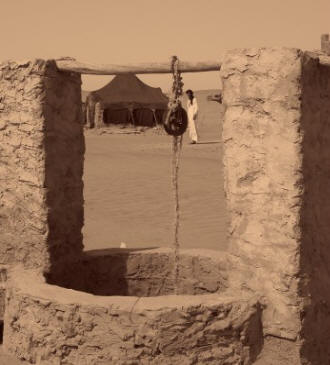
We come to dry and difficult places in our own lives, too. When we face difficulties we too often forget what we have seen and heard and give in to depression, despair, and sin. The solution to the desert problem is the refreshing water of memory. When you are in a desert you need water, but you don’t need to dig a new well every time you need refreshment; you can go back to an old and reliable well. Before you come to your next desert, think of times in the past when you knew God was close, perhaps an intense consolation experienced in prayer, or a providential miracle you’ve witnessed in life. And when you enter your next desert (or if you find yourself in one now) recall these memories to mind and be refreshed in faith. ‘Blessed are your eyes, because they have seen, and your ears, because they have heard,’ but to remain faithful to God in the desert you must remember the great things of God you have seen and heard.

Bread of Angels — Wednesday, 16th Week in Ordinary Time—Year I

July 21, 2011

Here at St. John’s, on the wall behind me, there is painted an angel holding a banner which says, “Ecce Panis Angelorum.” This is a Latin phrase. “Ecce” means “behold,” “panis” means “the bread,” and “angelorum” translates to “of the angels.” And thus the phrase goes, “Ecce Panis Angelorum; Behold the bread of angels.” This idea comes from Psalm 78, the psalm we heard today, which says of the Manna and the Israelites in the desert, “Man ate the bread of angels, food he sent them in abundance.” 

Why was the Manna in the desert was called the bread of angels? Extra-Biblical Jewish tradition suggested that the Manna bread actually nourished the angels. The Manna also came down from Heaven for the benefit of men and came through the mediation of angels. Of course, the Manna prefigures the Eucharist, which nourishes us through the deserts of this life toward the Promised Land. The Eucharist is really Jesus Christ who came down from Heaven for mankind. The angels are indeed nourished by this bread, Jesus Christ, for their lives are sustained thorough Him. We also receive the New Testament Manna with the help of the angels. As we say in Eucharistic Prayer I: “Almighty God, we pray that your angel may take this sacrifice to your altar in heaven. Then, as we receive from this altar the sacred body and blood of your Son, let us be filled with every grace and blessing.” It has been said that if angels could envy us, it would be for our reception of Jesus in the Eucharist.

The angels do more for us than we realize. We should remember to thank them; for getting us out of bed to come to Mass this morning, for assisting us here in our prayers, and for assisting us in our daily lives. Lovingly invite them, give them the permission, to do more in your lives. (They’re probably just waiting for you to ask.) Let us ask their intercession and at this Mass, together with the angels who surround us, let us delight in the bread of angels.

Sending Another Advocate — 6th Sunday in Easter—Year A

May 29, 2011

At the Last Supper, Jesus told His apostles that He would soon be departing from them. His disciples found this news distressful. Jesus had been their spiritual leader and intimate friend. For the better of three years, they spent almost all day, every day, with Him; sharing breakfasts in the morning, walking down the roads and conversing with Him, watching Him preach and heal n villages, spending evenings with Him around the fire. Not only had he taught them about God, he had also made them more godly men. And so, understandably, word of their Good Shepherd’s departure saddened them.

But Jesus told them, “Do not let your hearts be troubled. You have faith in God, have faith also in me.” In obedience to His Father, Jesus was going away, but He told the disciples that they would not be left orphans. God would send them another person to lead and sanctify them. Jesus told them God the Father would send them another Advocate, another Helper, another Guide, to be with them always. Jesus spoke of the Holy Spirit, who would continue the same work which Jesus had begun in them. The Father had blessed them before by sending them Jesus. Now, at Jesus’ departure, the Lord wanted them to trust and remember this: that they would be blessed again.

Today, this Gospel is fulfilled in our hearing. Father Stoetzel has asked me to read you this letter from him:

Dear parishioners,

Bishop Callahan has asked me to take a new parish assignment beginning July 1st. I will be the next rector of St. Joseph the Workman Cathedral in La Crosse. Also, I am very happy to announce your new pastor here and St. John the Baptist in Marshfield. He is Fr. Samuel Martin who is presently the director of the Holy Cross House of Formation and teacher at Aquinas High School in La Crosse. Please welcome him graciously as he is being sent by the bishop to be your pastor.

I want to thank you very much for the privilege of being your pastor for the past 15 years. My gratitude goes to you for the prayers and many acts of kindness you have shown. Let us continue to pray for one another. Be assured that you will be in my fondest thoughts.

Sincerely,
Fr. Stoetzel

The fact that our bishop has appointed Fr. Stoetzel to be the rector of the cathedral (the bishop’s own parish) says much about Father’s quality as a pastor. We will miss him in many ways. I don’t know Fr. Martin too well, but every encounter I have had with Him has been a positive one. I predict that we will all be very pleased with him when he comes in July and will be blessed by getting to know him better. In the meantime, let’s remember pray for Fr. Stoetzel, as he prepares for his new assignment in La Crosse. Let us also pray for our pastor-to-be, Fr. Sam Martin, as he prepares for us.

Jesus says, “Do not let your hearts be troubled. You have faith in God, have faith also in me.” The Lord wants us to trust and remember this: that He has blessed us before and that He we will be blessed again.

The Way, Truth, & Life — 5th Sunday in Easter—Year A

May 22, 2011

Jesus said, “I am the way and the truth and the life. No one comes to the Father except through me.”

The Mass is an encounter with Jesus Christ, leading us to God the Father. Like Jesus Himself, the Mass contains the Way, the Truth, and the Life of Jesus. First, we journey on the Way to Jesus, then we come to the Truth of Jesus, finally we join in the Life of Jesus.

The Mass begins with the sign of the cross, for God is the beginning and end of everything. Next, we confess our unworthiness to approach the Lord, asking mercy for our sins, so that we may dare to take this journey to God. The, from the Holy Scriptures, we hear of God’s words and deeds among the Old Testament peoples and within the New Testament Church. In this, we learn of the providential way that God has prepared throughout time for us to encounter Jesus Christ today. Just as the journey on this Way through history leads to Jesus Christ, so the liturgy of the Word leads to the Gospel. Certainly, Jesus Christ the Word of God is present throughout the entire Word of God which is Sacred Scripture, but for the reading of the Gospel, we all stand up for Him and sing “Alleluia,” “Praise the Lord,” because we have come to Jesus Christ and He is more fully present among us in the proclamation of the Gospel.

The Gospel reading proclaims Jesus, who is the Truth. The homily that follows proclaims that the Truth matters for us here and now and demands our personal response. To this call, we answer with the Creed, proclaiming our faith in who God is and what He has done for us. In the Creed, we proclaim our acceptance of Jesus, the Truth. In the prayers of the faithful, we petition the Lord for our needs and concerns, saying in so many words, “Lord, let your kingdom come, on earth as it is in Heaven! Let us share you life! Give us your life!” At Mass, the Way leads to the Truth, and from the Truth we long for God’s Life. At Mass, the Liturgy of the Word leads to the Liturgy of the Eucharist.

The presentation of the gifts is not merely about moving around cash and bread and water and wine. The presentation of the gifts is about the presentation of everything that we have, and everything that we are, to God. We lift up our hearts to be one with our sacrifice. Amidst praises to the Father, the one life-giving sacrifice of the Last Supper, of the cross, and of Heaven becomes present here to us. We join in offering this sacrifice through Jesus, with Jesus, and in Jesus, in union with the Holy Spirit, to God the Father in Heaven.

Through this offered sacrifice, we join in God’s Life. We pray “Our Father,” because uniting with the paschal mystery, the great Easter deeds of Jesus, gives us life as the Father’s sons and daughters. Then we share with one another the sign of peace, the loving peace that is possessed by God’s holy ones. Finally, at the climax, we partake of Jesus Christ, Life Himself, most truly present in the Holy Eucharist.

Sometimes people say, “I just don’t get anything out of going to Mass. Father, I know that you say all this important and wonderful stuff is going on, but I don’t see it and I don’t feel it. The Mass is boring for me.” I understand. When I was a boy, I made a point of going to the bathroom (sometimes twice) during every Mass, just to break up the monotony. When I would see the priest cleaning the dishes at the altar—that was a good sign, because it meant that the Mass was almost done. I didn’t really know what was happening at Mass, so I really didn’t believe in what was happening at Mass. But as I grew older I began to learn what was happening, and as I grew in faith I began to believe in what was happening, and my experience of the Mass was transformed.

People who say that the Mass is boring resemble St. Phillip in something he said to Jesus at the first Eucharist, the Last Supper: “Master, (we don’t see or feel the presence of God the Father,) show us the Father, and that will be enough for us.” And Jesus said to him, “Have I been with you for so long a time and you still do not know me, Philip? Whoever has seen me has seen the Father. (Whoever has been to Mass has encountered my mysteries.) How can you say, ‘Show us the Father’? (How can you say, ‘The Mass is boring?’)” The awesome mystical realities of the Mass are true, and real, and present and active at every Mass we attend, whether we see them, or feel them, or believe in them, or not.

Jesus Christ and the Holy Mass contain the Way, the Truth, and the Life, and we shall receive from them according to our faith. Let us pray, that at this Mass and every Mass, we may be as fully present to Jesus Christ and His mysteries as they are to us at every Mass.

“Are You Saved?”

May 13, 2011

Catholics take a modest approach to the question, “Are you saved?” We hope to be saved in Jesus Christ, and we can have some measure of confidence that we will be, but Catholics consider it presumptuous to say that our salvation is assured. The Catholic attitude is like that expressed by Paul:

“It does not concern me in the least that I be judged by you or any human tribunal; I do not even pass judgment on myself; I am not conscious of anything against me, but I do not thereby stand acquitted; the one who judges me is the Lord. Therefore, do not make any judgment before the appointed time, until the Lord comes, for he will bring to light what is hidden in darkness and will manifest the motives of our hearts, and then everyone will receive praise from God.” (1st Corinthians 4:3-5)

After seeing the light on the road to Damascus, if anyone could be certain of their salvation one would imagine it would be Paul. However, in 1st Corinthians 9, Paul doesn’t speak as if he had Heaven already in the bag. He says:

“All this (becoming all things for all people) I do for the sake of the gospel, so that I too may have a share in it. … I drive my body and train it, for fear that, after having preached to others, I myself should be disqualified.” (1 Cor 9:23, 27)

Immediately following this, Paul warns the Corinthians about the necessity of remaining faithful lest they be condemned like God’s people during the Exodus:

“They were all under the cloud (like the Holy Spirit) and all passed through the sea (like baptism) and all of them were baptized into Moses (who imaged Christ) in the cloud and in the sea. All ate the same spiritual food, and all drank the same spiritual drink (like the Eucharist)… Yet God was not pleased with most of them, for they were struck down in the desert. These things happened as examples for us, so that we might not desire evil things, as they did. … Therefore, whoever thinks he is standing secure should take care not to fall.” (1 Cor 10:1-6, 12)

In Matthew’s Gospel, Jesus warns us that if we are to be saved, we must not be among those who acknowledge Him as “Lord, Lord” but fail to do God’s will:

“Not everyone who says to me, ‘Lord, Lord,’ will enter the kingdom of heaven, but only the one who does the will of my Father in heaven. Many will say to me on that day, ‘Lord, Lord, did we not prophesy in your name? Did we not drive out demons in your name? Did we not do mighty deeds in your name?’ Then I will declare to them solemnly, ‘I never knew you. Depart from me, you evildoers.'” (Matthew 7:21-23)

Those condemned seemed surprised that they are refused entry into Heaven. This is why Catholics do not rest in a self-assurance of Heaven (that judgment belongs to the Lord.) Our part is to ceaselessly strive to cooperate with the saving grace of Jesus Christ as we “work out [our] salvation with fear and trembling” as God does His work in us. (Philippians 2:12)