Archive for August, 2026

Mourning With Jesus

August 1, 2026

18th Sunday in Ordinary Time
By Fr. Victor Feltes
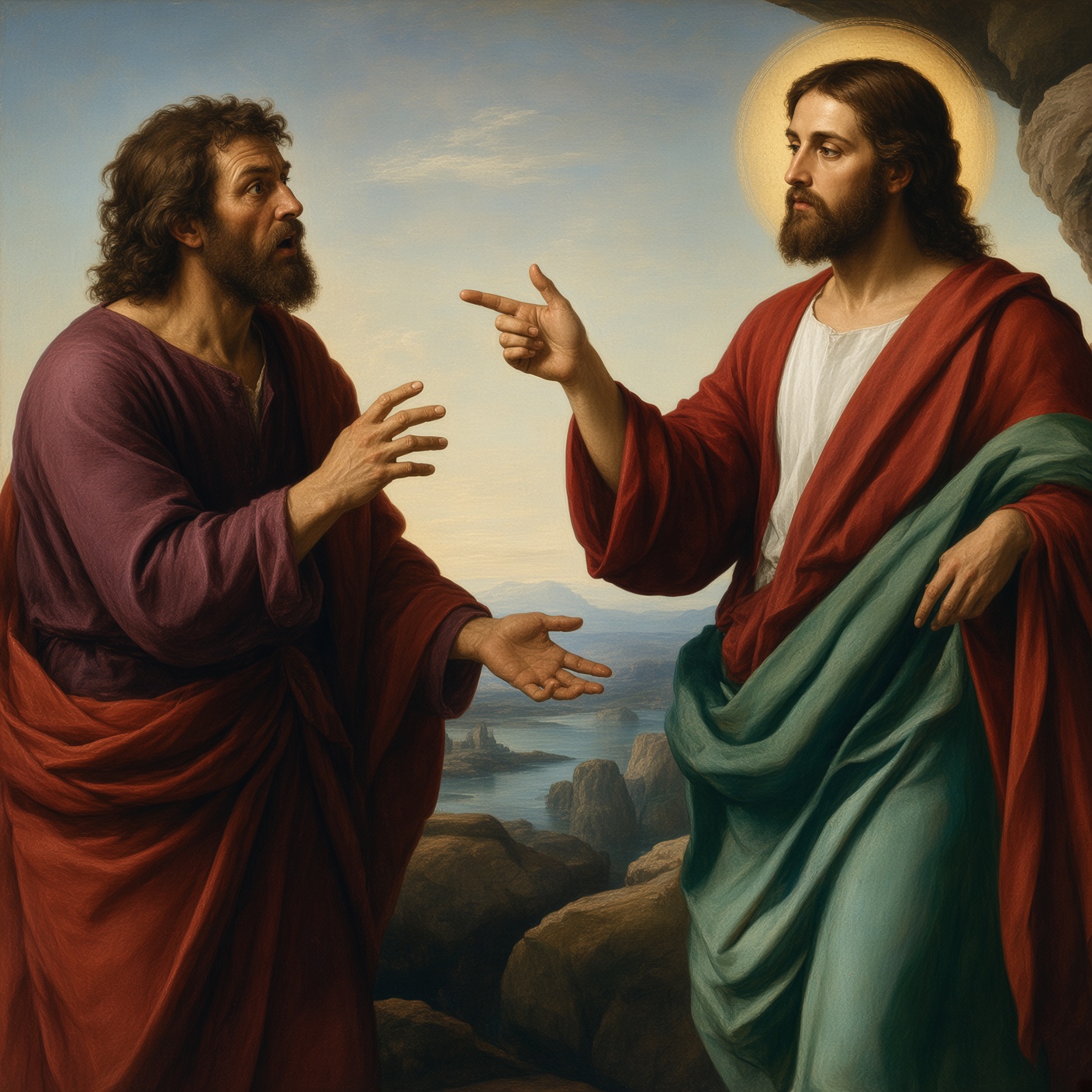
He was persecuted for preaching the truth. Though he had done nothing wrong, he was hated. They arrested and imprisoned this righteous and holy man, and when questioned, his answers would confound the questioner. The secular ruler was reluctant to put this man to death, but in the end, bowing to social pressure, he ordered his unjust execution. After his death, his disciples took their teacher’s body, laid it in a tomb, and mourned him. This death, this murder, this martyrdom of St. John the Baptist was mourned by Jesus too.

Recall that John the Baptist was Jesus’ relative and friend. In John’s Passion and death, Jesus could see a foreshadowing of his own. Jesus weeps at the tomb of Lazarus, but Lazarus died from a natural illness and was resurrected soon after. John the Baptist’s death was caused by the wicked, the direct result of chosen sins. And Jesus mourned him realizing he would never see John again in this life.

When Jesus heard of the death of John the Baptist, he withdrew in a boat to a deserted place by himself. The crowds heard of this and followed him on foot from their towns.” When Jesus arrived, “disembarked, and saw the vast crowd, his heart was moved with pity for them, and he cured their sick.” Then Jesus fed them all using five loaves of bread and two fish; the only miracle (besides his Resurrection) which is recorded by all four Gospels. Then Jesus “made the disciples get into the boat and precede him to the other side, while he dismissed the crowds. Then [Jesus] went up on the mountain by himself to pray, [and] when it was evening, he was there by himself.

Jesus and his disciples experienced times of mourning. We and our loved ones will experience times of mourning, too. In today’s Gospel, Jesus Christ, our model for our Christian life, provides us lessons for such seasons.

First, Jesus took time to mourn and it was not selfish for him to do so. He withdrew to mourn and spend time alone, but in that solitude he prayed. Many psalms and Old Testament scenes have God’s faithful voicing their painful laments to God. Jesus Christ, the Son of God, even though he was divine, prayed to God as man. He did this for personal consolation and that others would be helped. Remember to pray for the souls of the departed and feel free to speak to them, for I am convinced that not even death can entirely separate those who are in Christ.

When Jesus arrived at that desolate place and found the large crowd, his heart was moved with pity. Without suggesting any fault in Jesus, sometimes our sufferings can make us more sensitive to the sufferings of others. Jesus does not close in on himself. He goes outside himself to serve others. How do you think it felt for Jesus to help so many (perhaps while experiencing feelings of such powerlessness)? It was a consolation to him. Going out beyond ourselves can help in healing a mournful heart.

Sometimes when we know someone is mourning, we give them so much respectful space they end up being treated like lepers. The crowds (whether conscious of Jesus’ burdens or not) approached him like before and those encounters blessed them both. So do not be afraid to ask them a favor, offer an invite, or give them a gift; since we see such things can help them. And if they decline, don’t take it personally. Jesus’ friends brought him a meal of five loaves and two fish, and doing that did a world of good.

Jesus experienced times of mourning and we will too. Take time to mourn in solitude but keep close company with God in prayer and pray for the departed. Do not simply close in on yourself but go beyond yourself for others. And approach those who are mourning to offer healthy encounters and opportunities. It pained Jesus to be so tragically separated from his dear one, John, but Christ promises God’s people who mourn will be comforted. And these trials make us more like Jesus Christ, who consoles others. As St. Paul told the Corinthians: “[God] comforts us in all of our troubles, so that we can comfort those in any trouble with the comfort we ourselves have received from God.” Jesus mourned like us. Let us mourn like him.

Living the Beatitudes Daily — Funeral Homily for Raynelda Jaworski, 96

August 1, 2026

By Fr. Anandan “Rajan” Rajendran

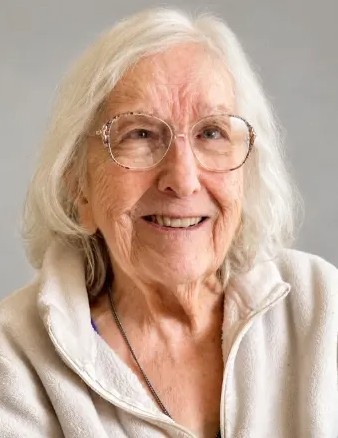
Today we gather with both sorrow and gratitude. We grieve because someone we loved is no longer physically with us. Yet we also gather with hope because our faith tells us that death is not the end. Jesus Christ has conquered death, and through Him eternal life is promised to those who believe. Today we thank God for the beautiful gift of Raynelda Shaurette Jaworski—a woman who lived for more than ninety-six years with faith, courage, generosity, creativity, and love. Her life was long, but more importantly, it was full. It was a life that touched countless hearts.

The first reading from the Book of Ecclesiastes reminds us that everything in this world has its season. There is “a time to be born and a time to die.” These words remind us that our earthly lives are gifts entrusted to us for a time. None of us lives forever in this world, but what truly matters is how we use the time God gives us. Raynelda used her years remarkably well. She was first a loving wife to Stanley, sharing seventy-seven years of marriage and building a home centered on faith. Together they raised ten children on their dairy farm in New Auburn. Farming teaches patience, sacrifice, hard work, and trust in God. Every spring a farmer plants seeds, believing that one day there will be a harvest. Raynelda’s greatest harvest was not measured in acres or milk production but in the beautiful family she nurtured—children, grandchildren, great-grandchildren, and countless friends whose lives she enriched.

She had an extraordinary gift of making people feel welcomed. Her home was a place where people found warmth, delicious food, laughter, and acceptance. Many of us remember her homemade bread, cookies, kolaczki, and especially her famous “Grandma Pancakes.” Yet what made those meals unforgettable was not simply the food but the love with which they were prepared. She sang, danced, laughed, and filled her kitchen with joy. She understood something very important: love is often expressed in simple, ordinary acts. Jesus Himself often revealed God’s love around a table. Meals became moments of grace. Raynelda followed that same example in her own home.

Her love extended far beyond her own family. As Director of the New Auburn Head Start program, she dedicated herself to helping children and struggling families. Even after raising ten children, she returned to school to earn a certificate in Social Services so she could serve others even better. That says something about her heart. She never stopped learning because she never stopped loving. She served on school boards, educational organizations, community groups, and many volunteer activities. Wherever there was a need, Raynelda was willing to help.

Today’s Gospel gives us the beautiful Beatitudes from the Sermon on the Mount. “Blessed are the poor in spirit… Blessed are the merciful… Blessed are the pure of heart… Blessed are the peacemakers.” These are not simply beautiful sayings. They are the portrait of a Christian disciple. As we reflect on Raynelda’s life, we recognize many of these Beatitudes lived out before our eyes. Blessed are the merciful. She showed mercy by caring for families, comforting neighbors, encouraging friends, and praying daily for others. Blessed are the pure of heart. Her faith was genuine. She attended Mass faithfully, prayed the Rosary, and entrusted every day to God. Blessed are the peacemakers. She united people. Her warmth drew strangers into friendship. Her home became a gathering place where people felt loved. Blessed are those who hunger and thirst for righteousness. She sought goodness not only in church but in everyday life, serving her community and helping those in need.

The Beatitudes remind us that holiness is not reserved only for saints whose statues stand in churches. Holiness is found in ordinary people who quietly practice extraordinary love every day. Raynelda showed us that holiness can be found in raising children, baking bread, helping neighbors, comforting families, creating beautiful works of art, and faithfully praying each morning. One particularly beautiful part of her life was her artistic talent. She painted, quilted, created pottery, and searched for precious stones across the country. Her large painting of Our Lady of Guadalupe hanging for decades in St. Jude’s Church became a visible sign of her devotion to Mary and her love for beauty. Artists often help us see beauty where others see ordinary things. God is the greatest artist of all, and today we trust that the Artist who created Raynelda has now completed His masterpiece and calls her home.

Our second reading from St. Paul’s Second Letter to the Corinthians offers tremendous comfort. “We know that the One who raised the Lord Jesus will raise us also.” Paul continues by comparing our earthly life to a tent. Tents are temporary. They shelter us for a while, but they are not our permanent home. God has prepared for us “a building from God, a dwelling not made with hands, eternal in heaven.” Raynelda’s earthly tent has served her well for ninety-six years. It carried her through motherhood, farming, service, laughter, hardships, celebrations, and prayer. Now that earthly tent has reached its end. But God has prepared something infinitely greater—an eternal home where there is no pain, no suffering, no aging, and no tears.

As Christians, funerals are never simply about looking backward. They are about looking forward with hope. Today we entrust Raynelda to the mercy of God. We believe that the same Jesus who welcomed the little children, who blessed the poor, who comforted the sorrowful, now opens His arms to welcome His faithful servant. To her beloved children, grandchildren, great-grandson, sister, relatives, and many friends: thank you for sharing Raynelda with this community. Her greatest legacy is not only the beautiful paintings she created, the quilts she stitched, or the meals she prepared. Her greatest legacy is the love she planted in each of you. One day, every loaf of bread grows stale, every painting fades, every quilt wears thin, and every farm changes hands. But love never dies. As St. Paul reminds us elsewhere, “Love never fails.” That love continues today because it came from God, and it leads back to God.

Finally, I cannot help but imagine Raynelda arriving at the gates of heaven. Perhaps she is greeted first by Stanley, whom she loved so dearly. Perhaps Matthew comes running to embrace his mother. And perhaps Jesus Himself says the words every faithful disciple longs to hear: “Well done, good and faithful servant. Come, share your Master’s joy.” May that be her reward today. And may her remarkable life remind each one of us to live with deeper faith, greater generosity, joyful service, and unwavering hope, so that one day we may all be reunited in the Father’s house, where every tear will be wiped away and love will last forever.

Eternal rest grant unto her, O Lord. And let perpetual light shine upon her. May she rest in peace. Amen.